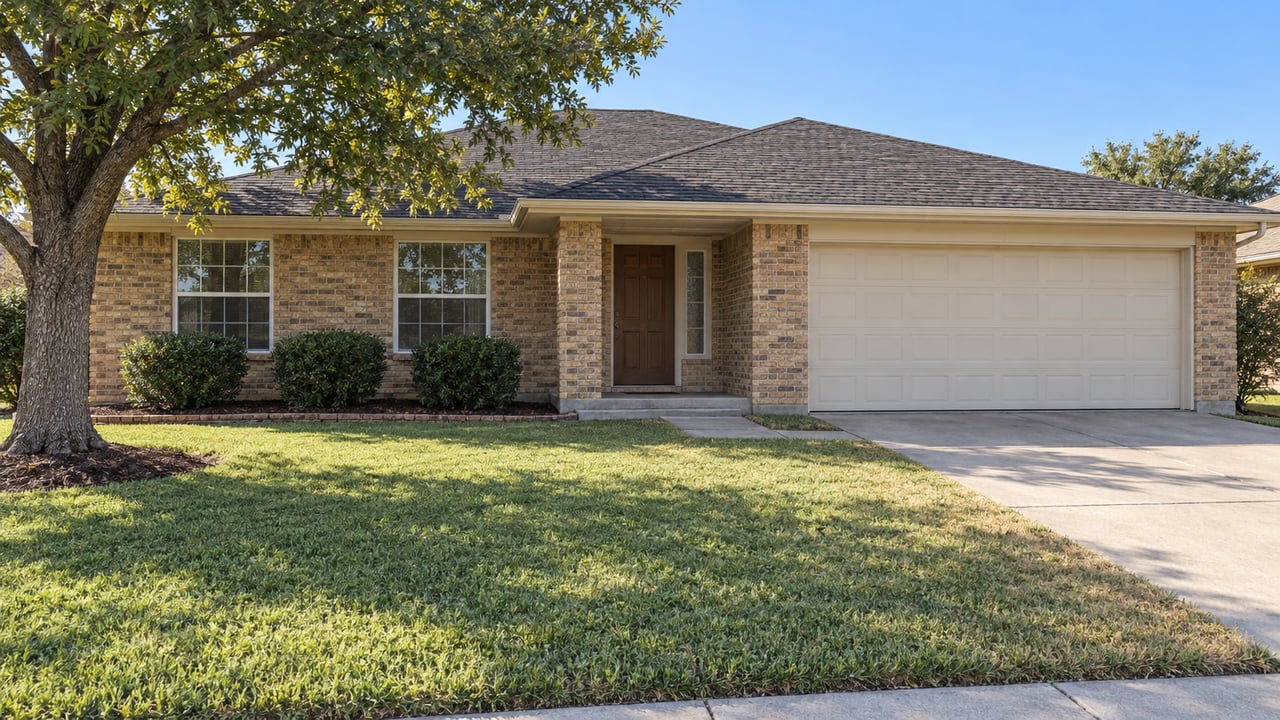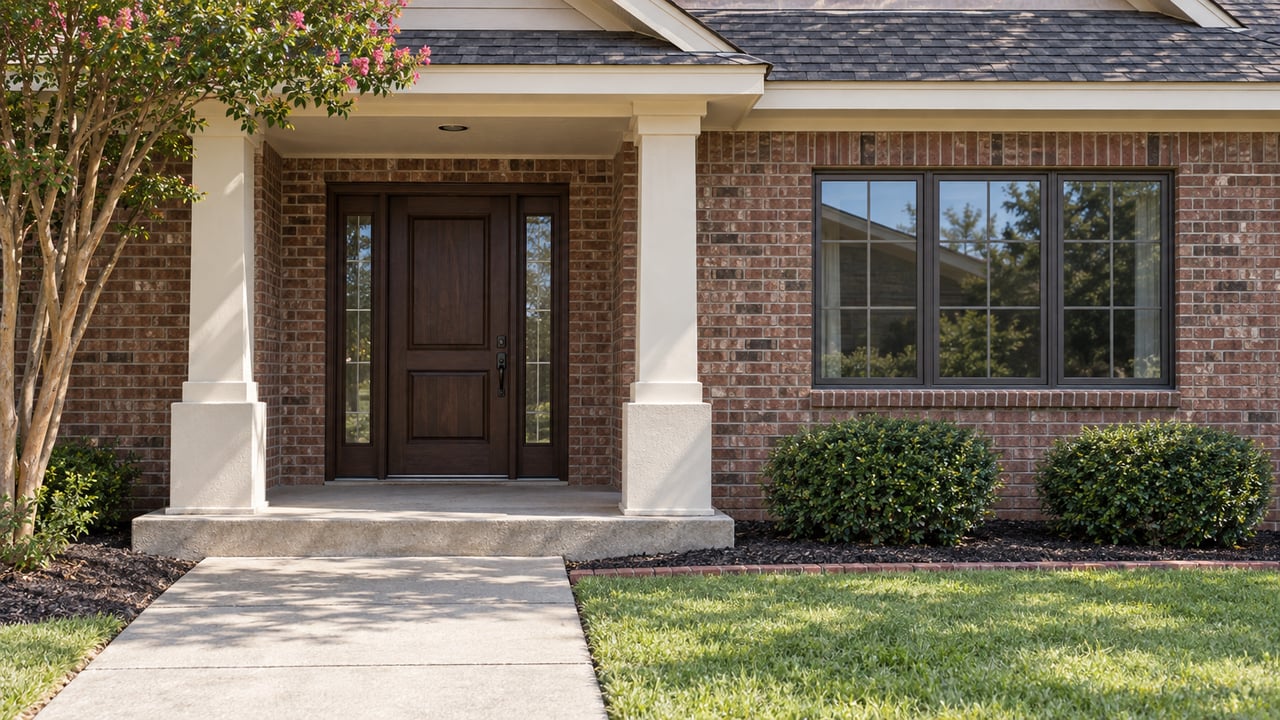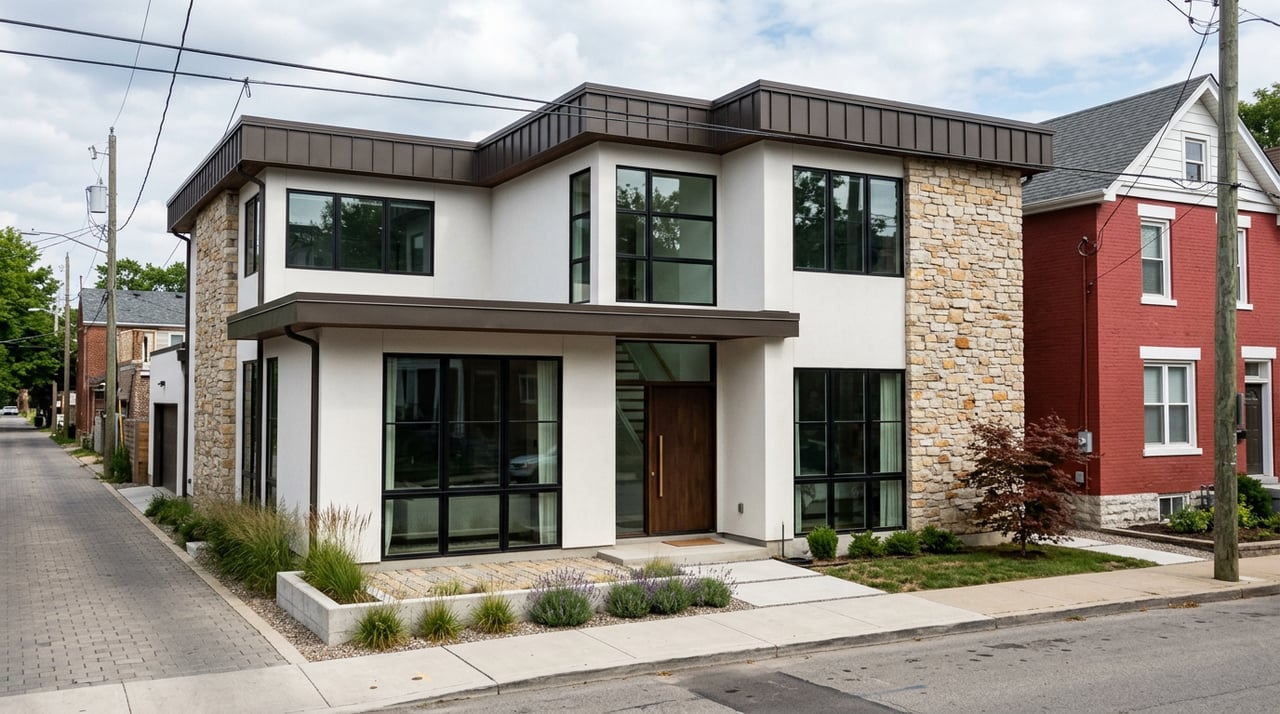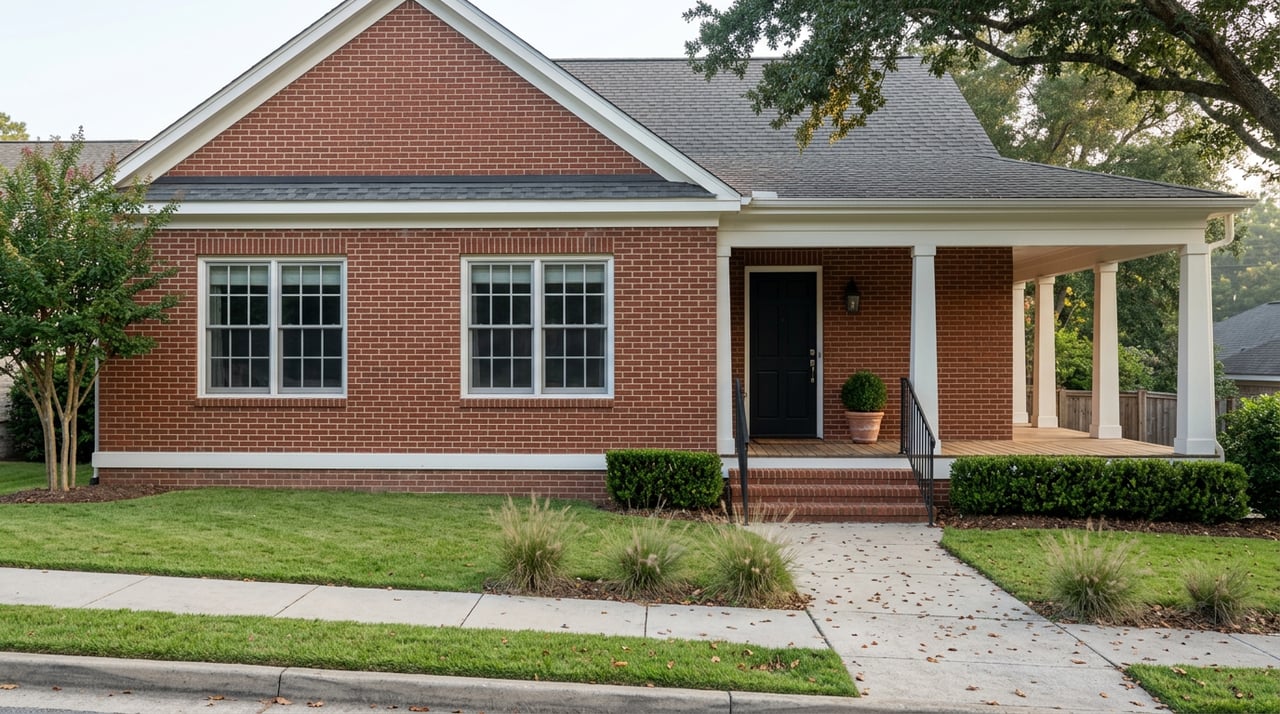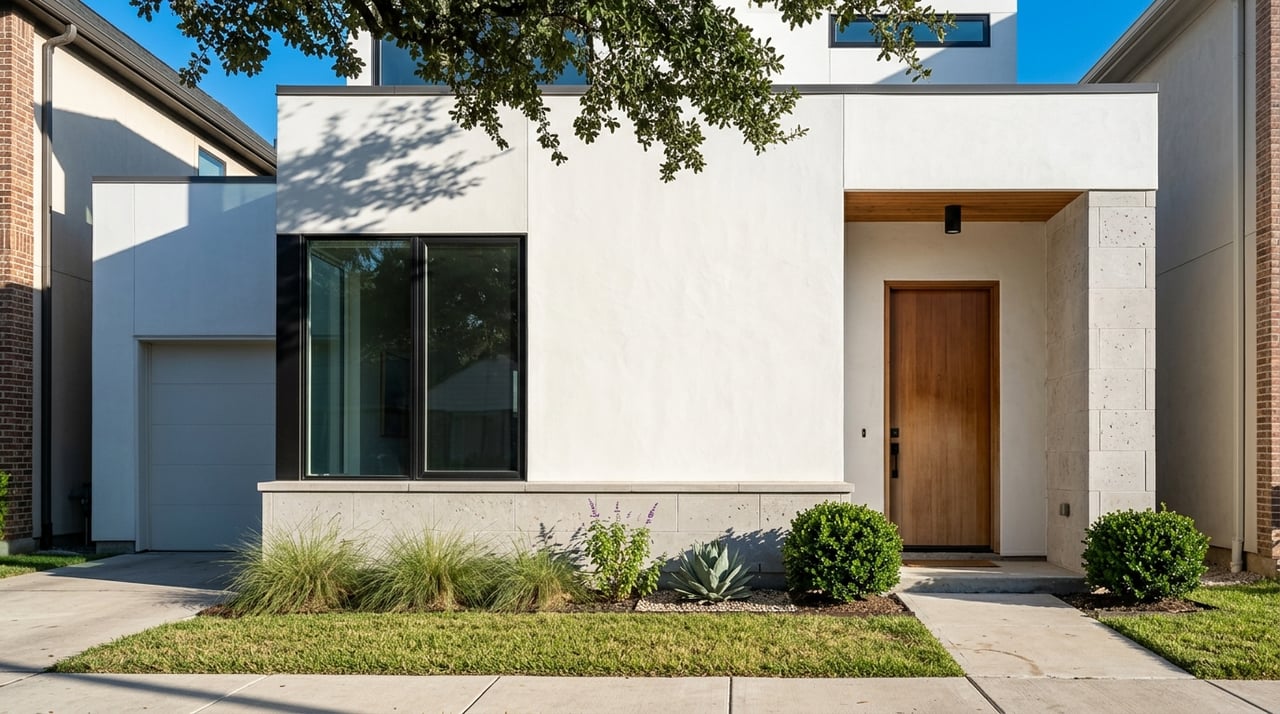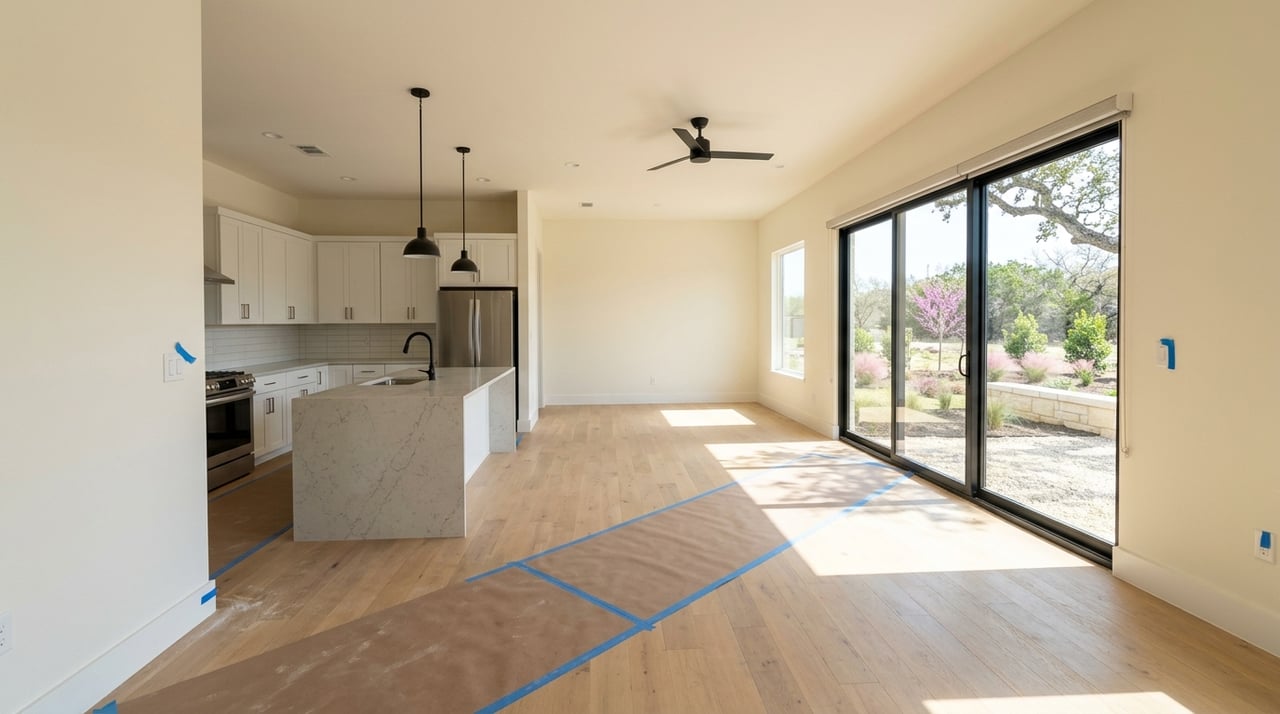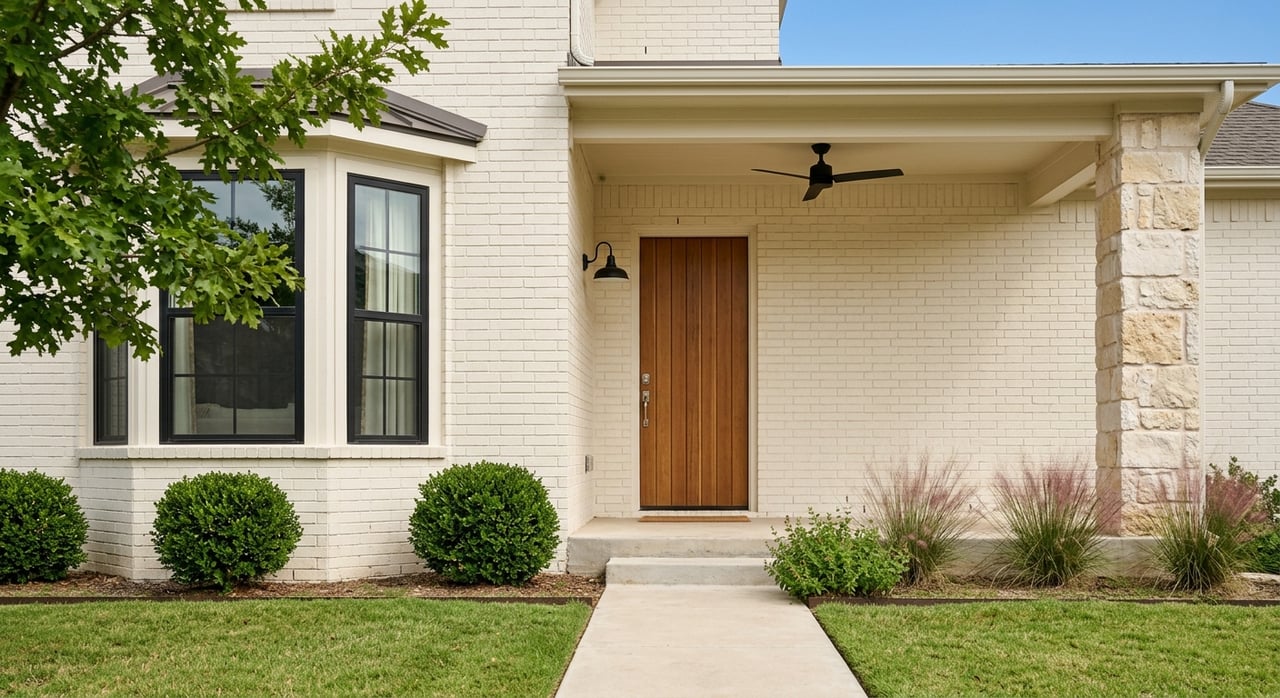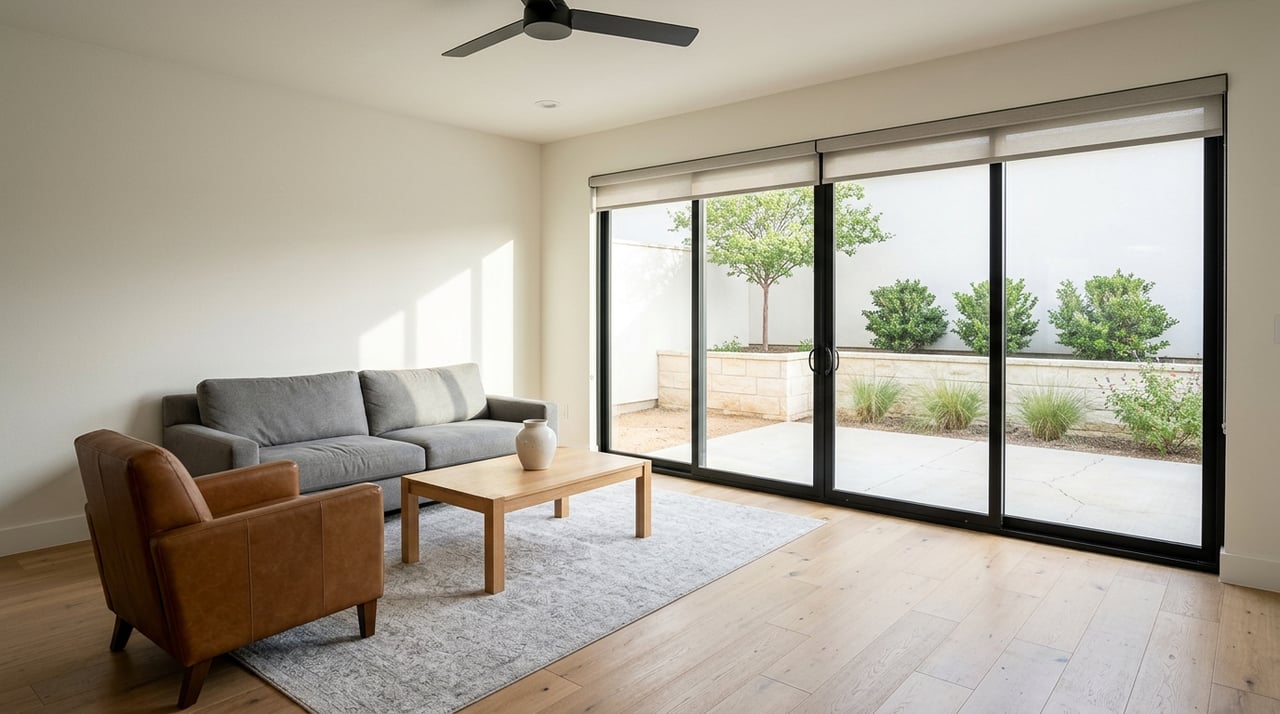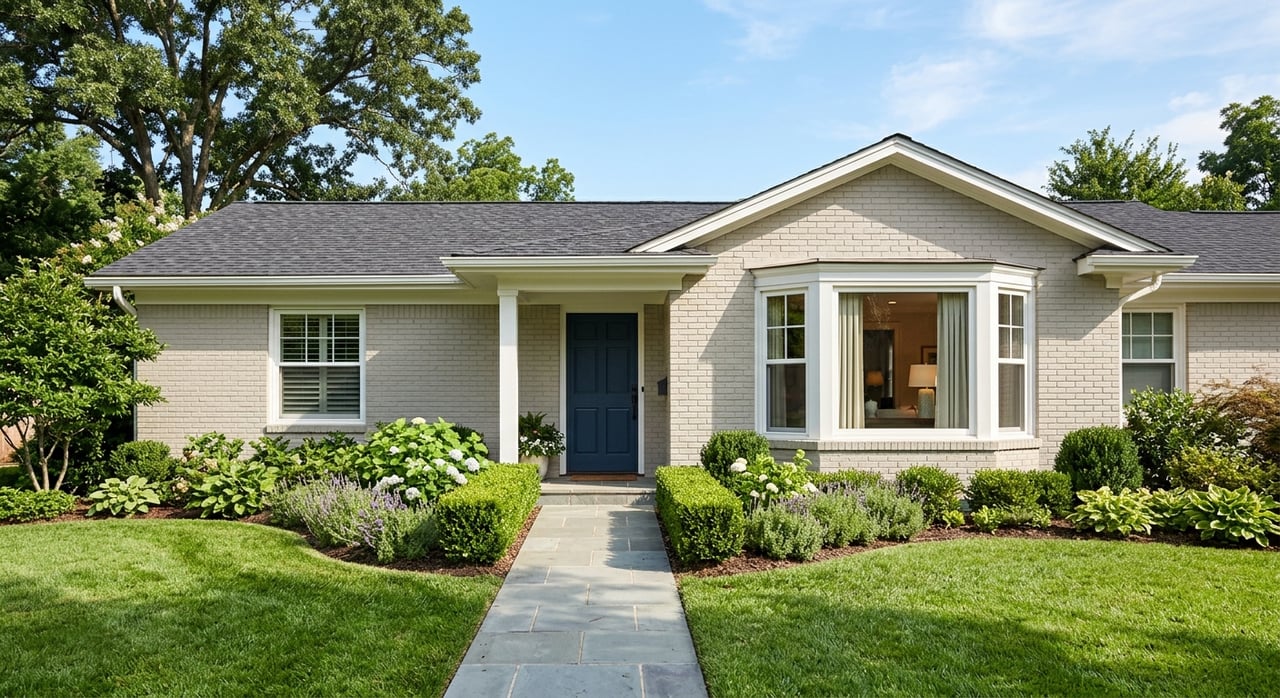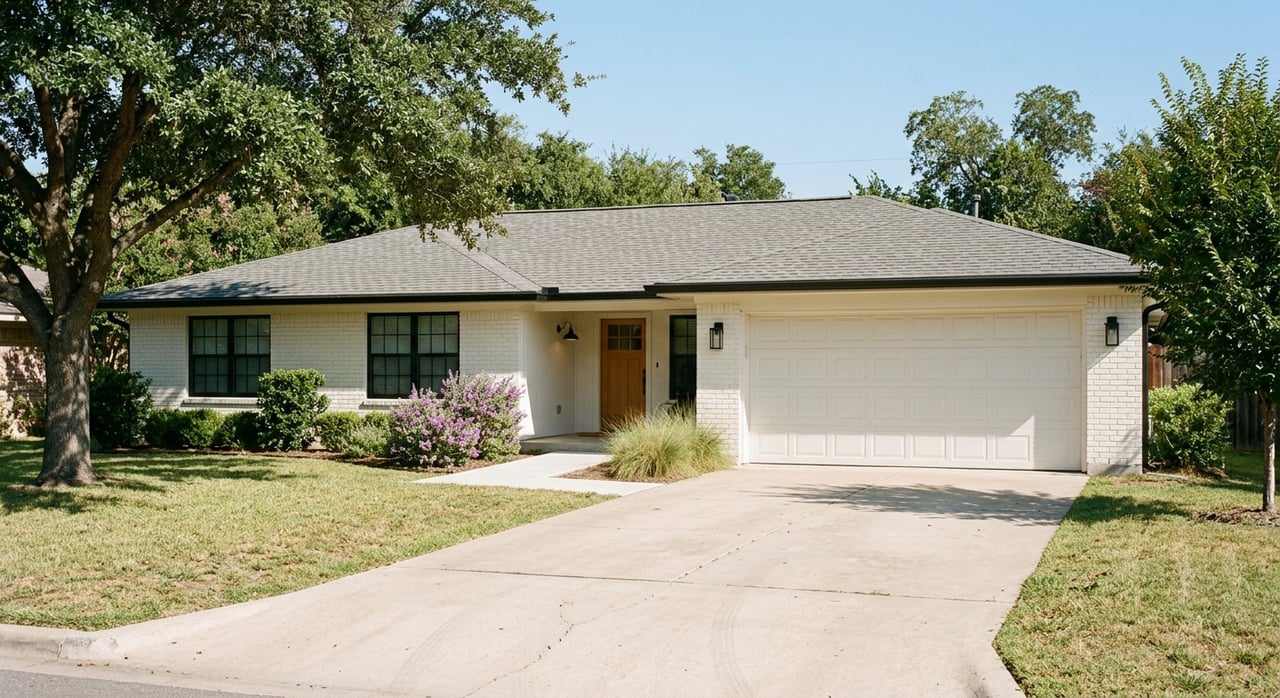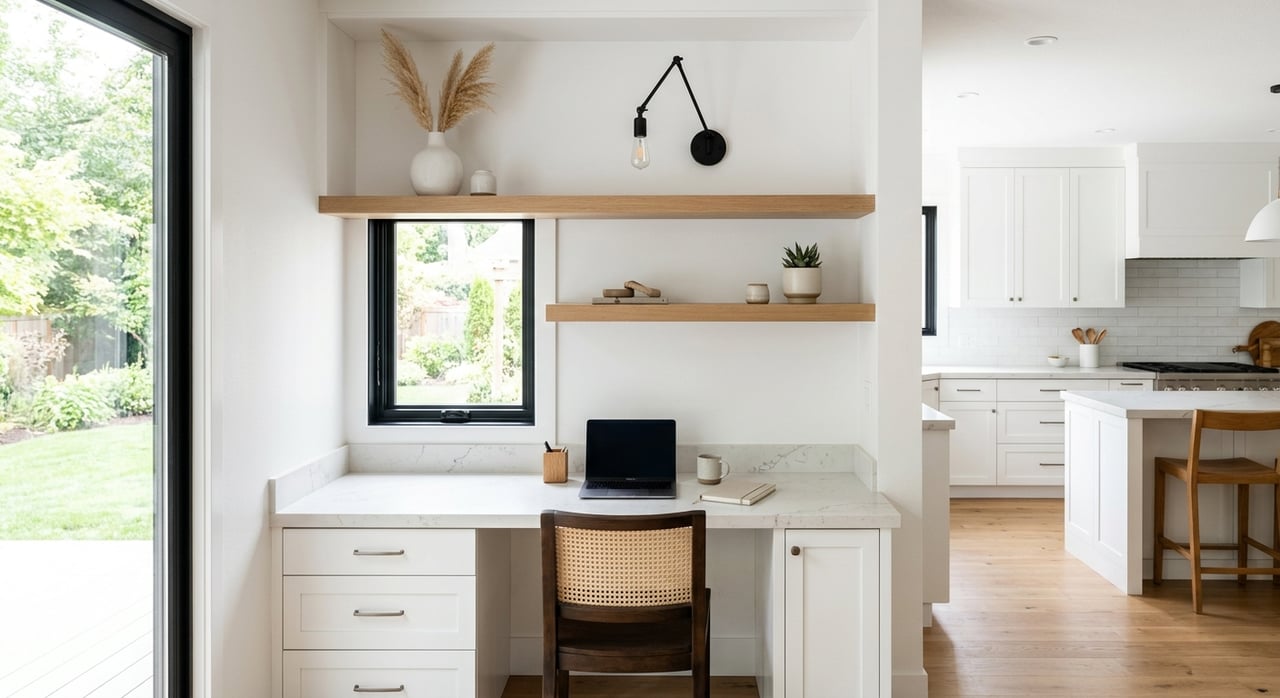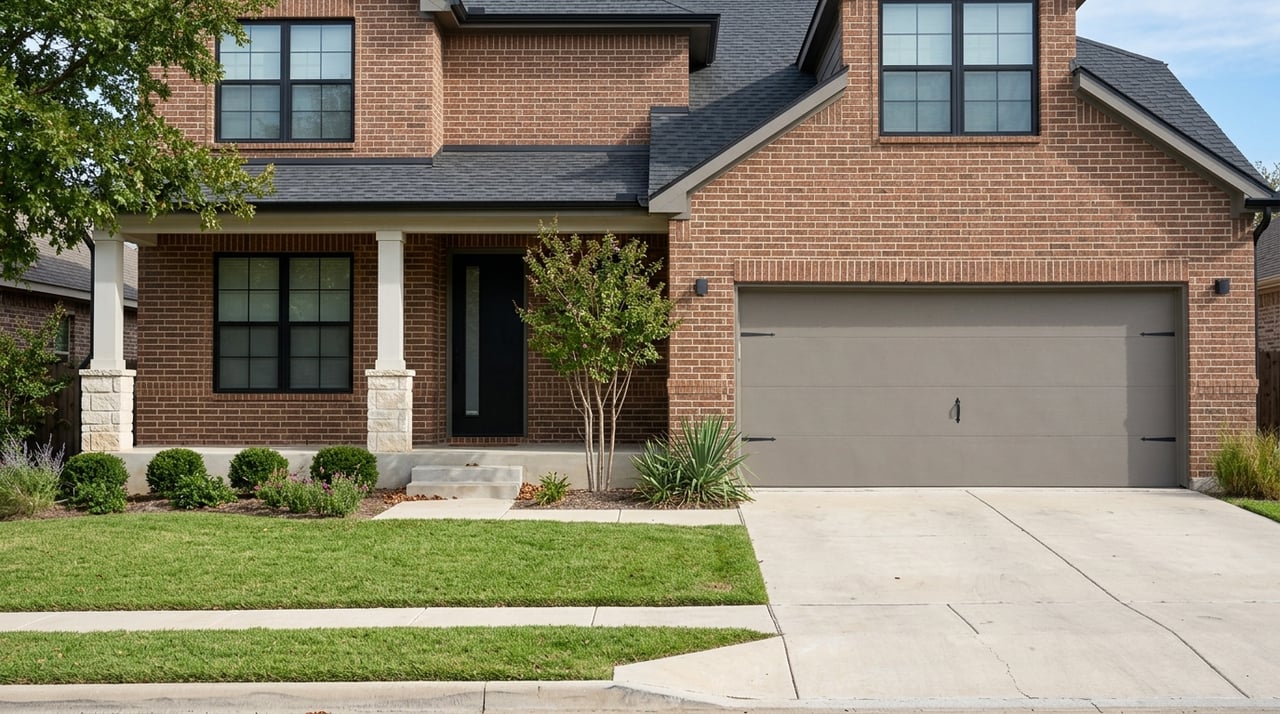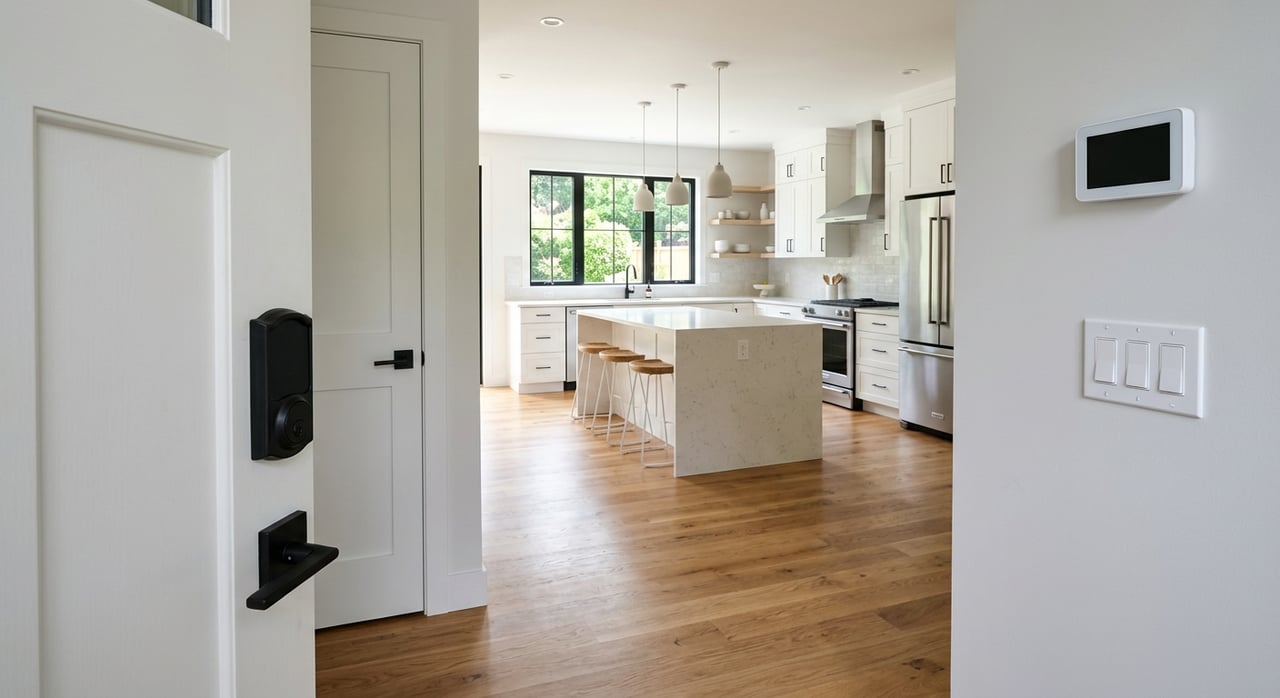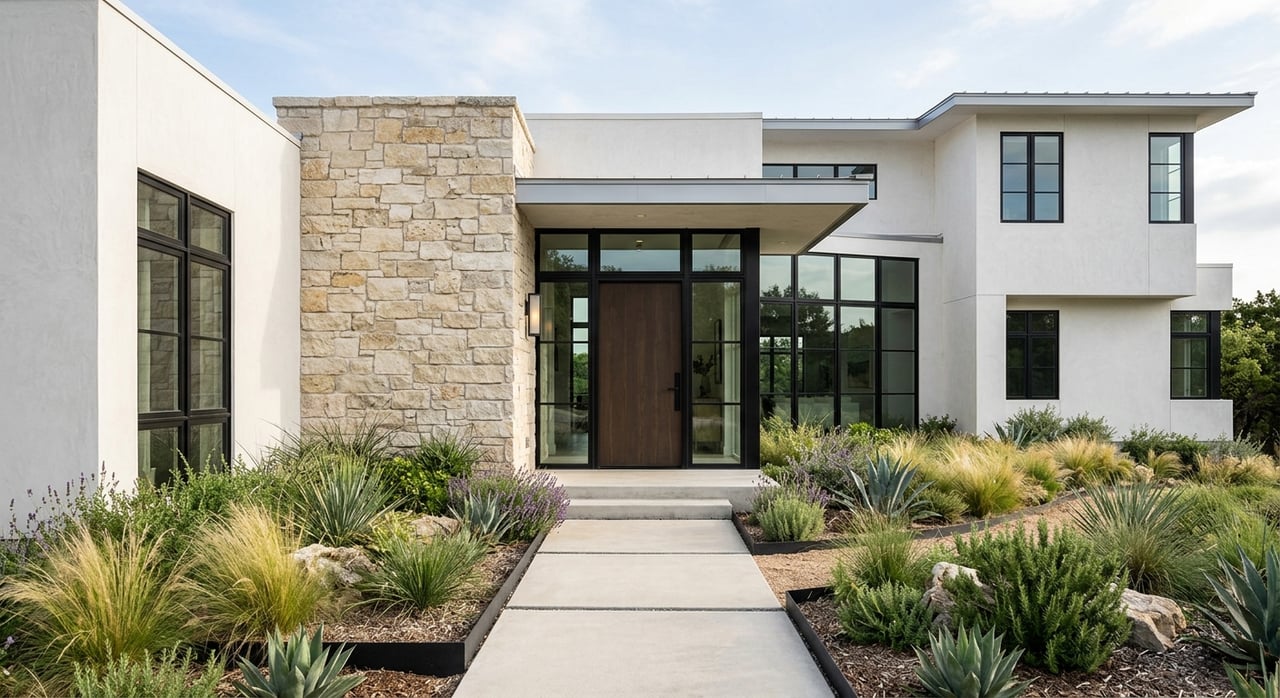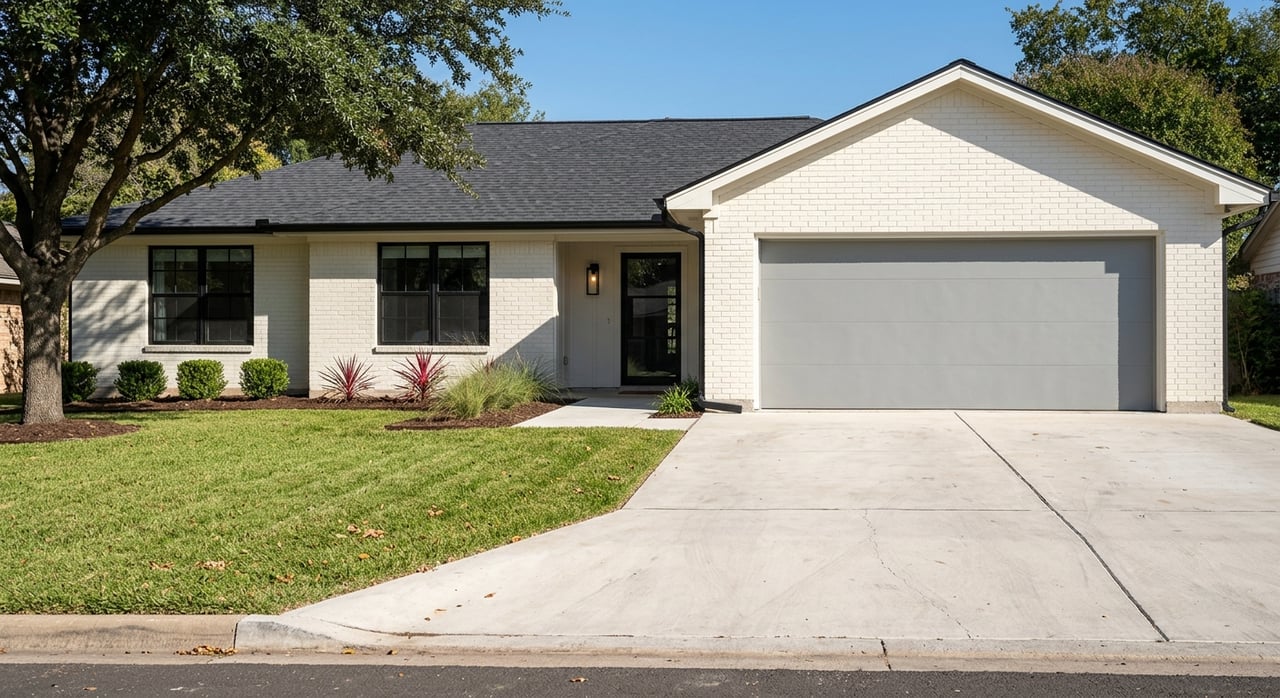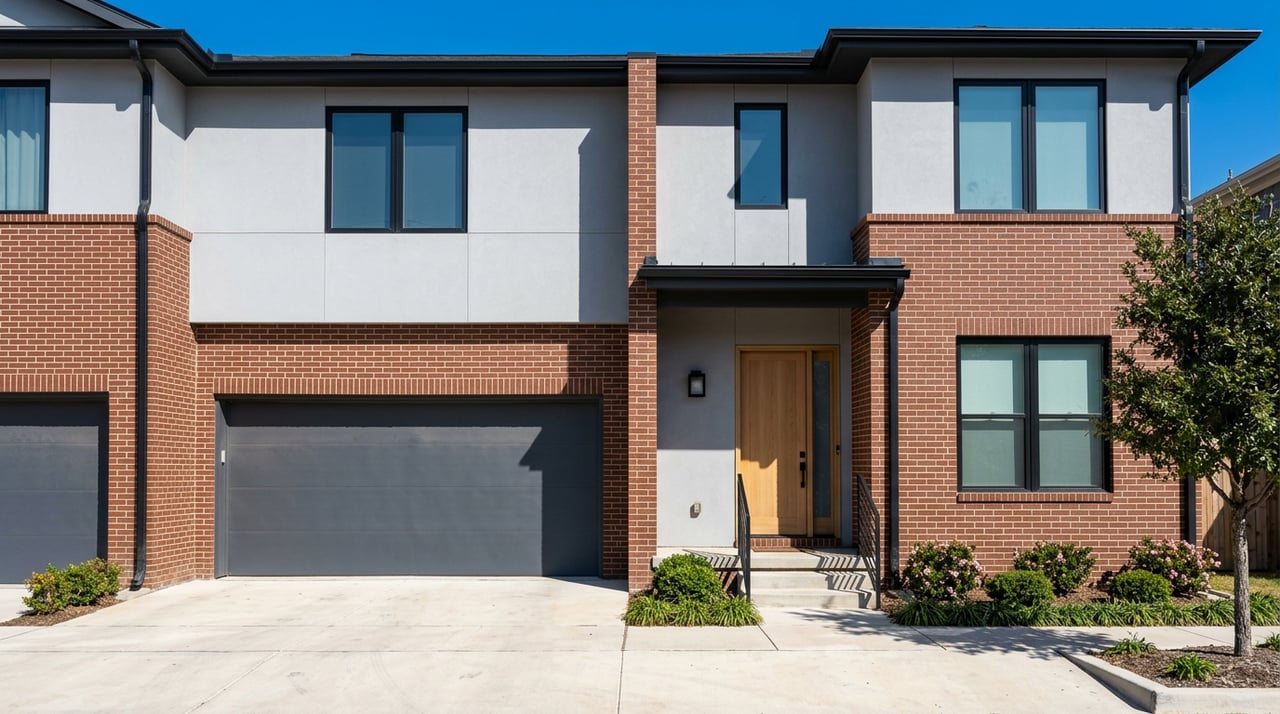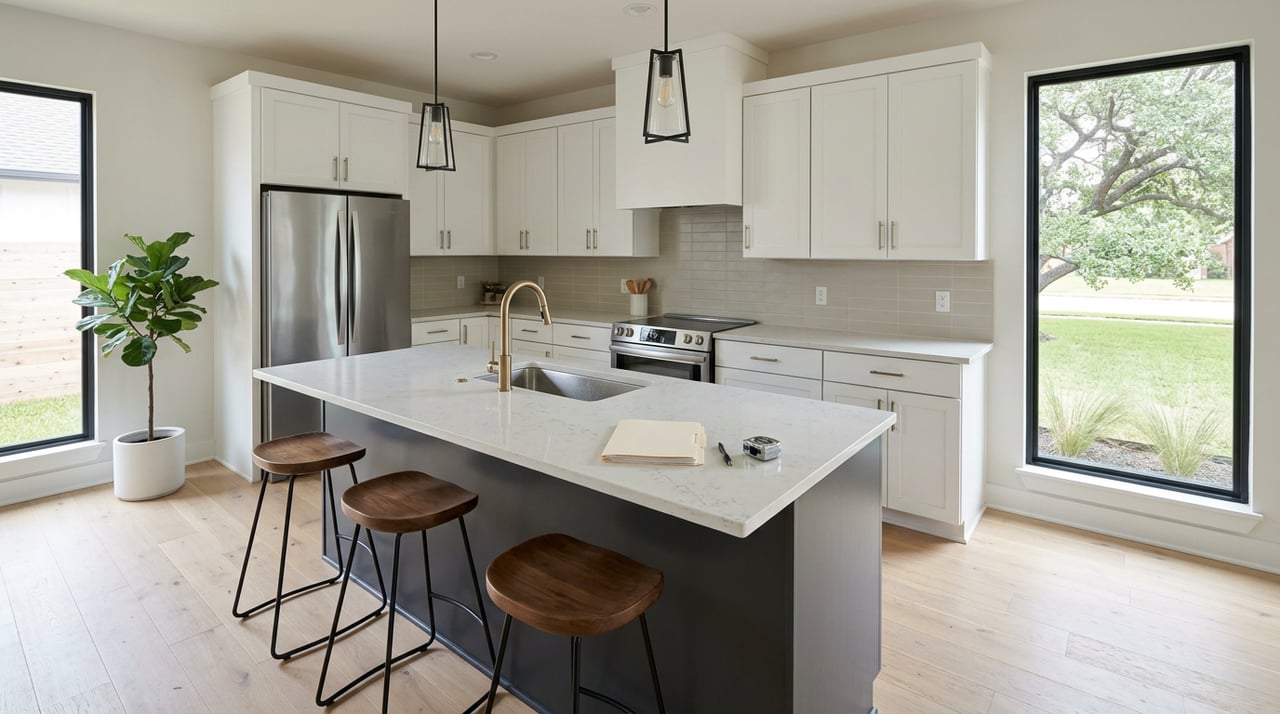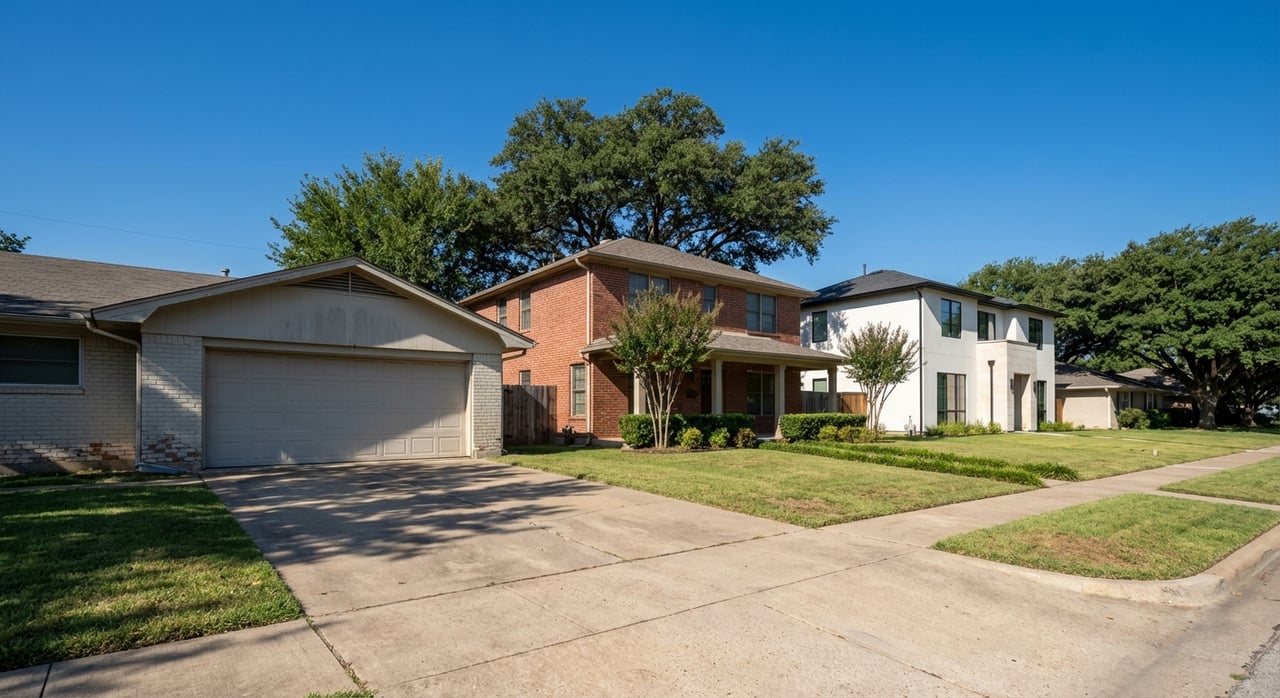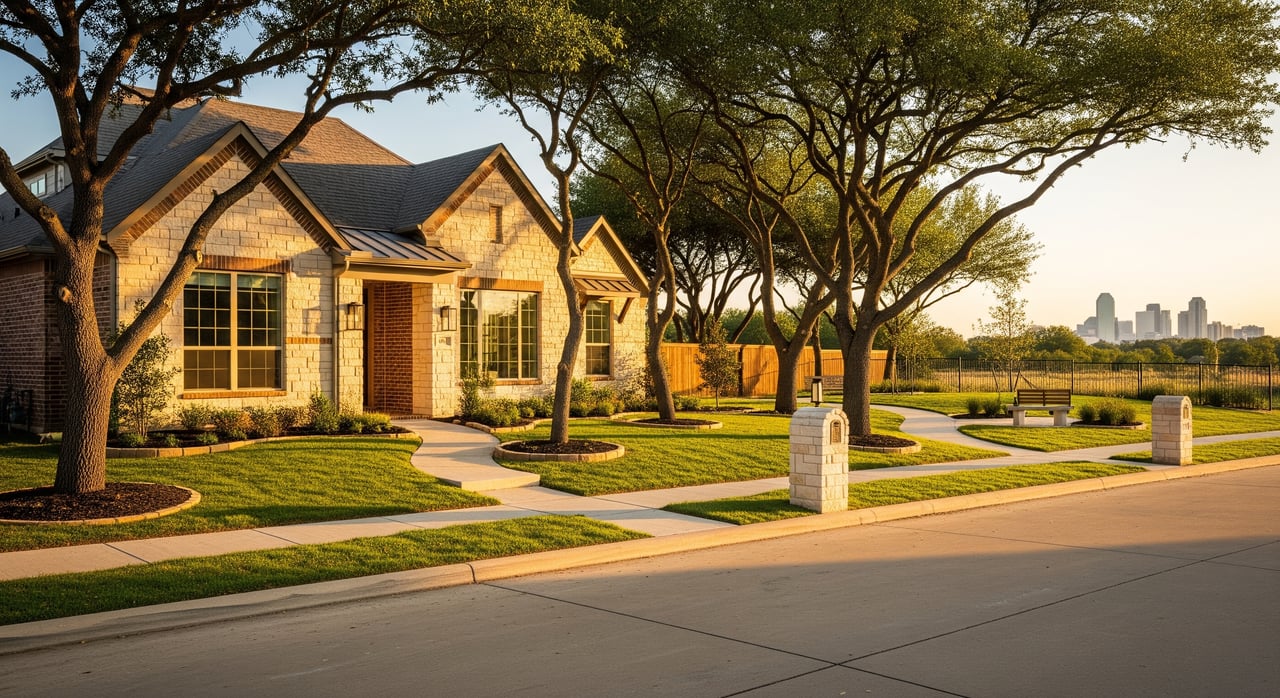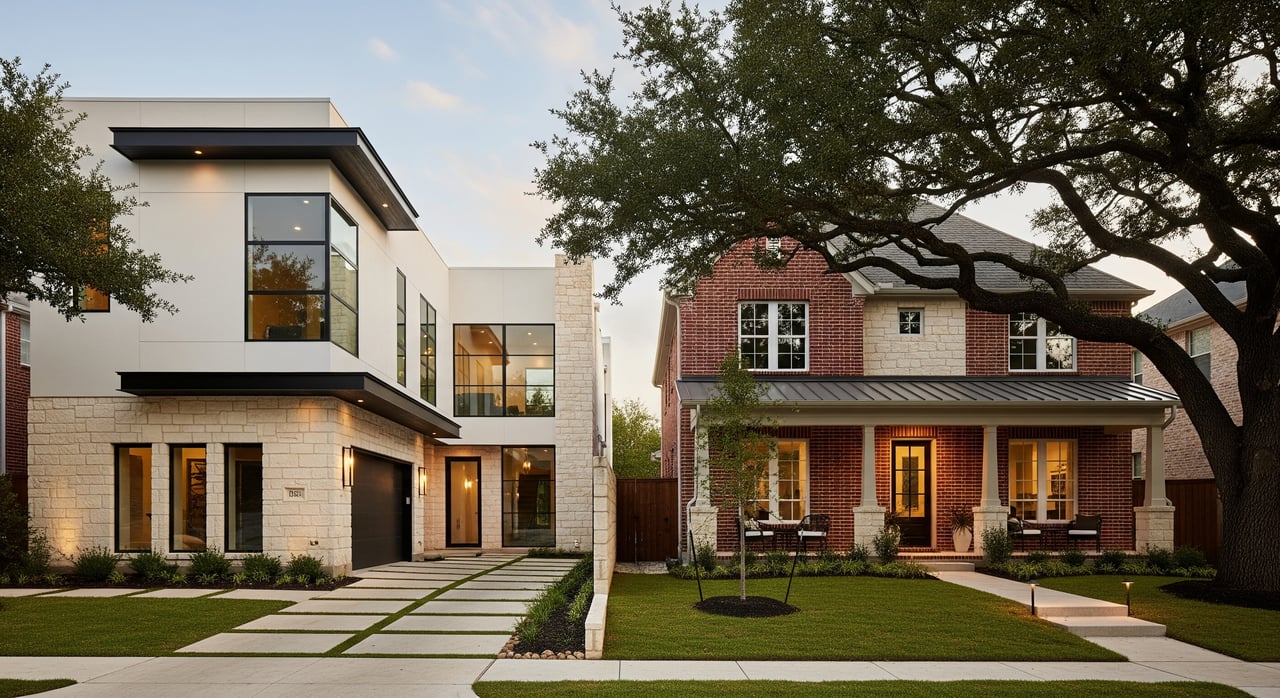
Thinking about whether a new construction home or a resale makes more sense in Dallas County? You are not alone. Many buyers want modern features and warranties, but also value established neighborhoods and quicker move-in timelines. In this guide, you will learn what truly changes between new and resale, how to plan your budget, and which path fits your timing and risk tolerance. Let’s dive in.
Quick comparison: new vs resale
- New construction: often higher purchase price per square foot, lower early maintenance, strong warranty coverage, and modern energy efficiency. Timelines vary by build type and city permitting.
- Resale: often lower price per square foot with faster closings, but plan for inspections, repairs, and potential updates soon after you move in.
- In Dallas-Plano-Irving, master-planned communities and HOAs are common in newer suburbs. Older neighborhoods may have lower or no HOA dues but can need more ongoing maintenance.
Total cost of ownership in Dallas County
Purchase price and property taxes
New construction often carries a premium for modern layouts and finishes. Resale homes can cost less up front but may need immediate upgrades. In Texas, property taxes are based on the local appraisal district’s assessed value. When a new home is completed, the appraisal basis resets to include the improvements. Watch for how that first full-year assessment affects your monthly payments.
Insurance and HOA dues
Newer homes may be less expensive to insure at first due to updated systems and code compliance. Location still drives premiums in our area, especially for wind and hail risk. Many new master-planned communities include HOAs with amenities and higher dues. Older neighborhoods may have lower or no HOA dues, which reduces long-term costs.
Maintenance, repairs, and upgrades
New builds tend to have lower near-term maintenance needs, plus warranty support if something goes wrong. Resale homes can be great values, but you should budget for repairs like roof, HVAC, plumbing, or cosmetic updates. If you plan to remodel a resale, add that to your total cost. For new builds, upgrades selected through the builder increase your price and may affect appraisal.
Energy and utilities
Newer homes generally follow more recent energy codes with better insulation and modern HVAC. That can reduce your utility bills in Texas heat. Keep in mind that square footage and usage patterns also drive utility costs, so larger new homes may still use more energy than smaller resales.
Resale value and appreciation
Future value depends on neighborhood, location, and features. Some buyers discount the “new home premium” at resale, while homes in established areas can hold value due to location. Your agent can help you compare local comps so you see how both options perform in your specific target area.
Move-in timing and build timelines
Resale closings
If you need to move on a set date, a resale often offers the most certainty. With financing, you typically close in about 30 to 45 days after contract, subject to inspections, appraisal, and any repair negotiations. Cash purchases can be faster.
New construction options
- Spec or inventory homes: already built or near completion. You can often close in 30 to 60 days, similar to a resale.
- Production homes: from contract to completion, plan for roughly 3 to 9 months depending on selections and builder schedules.
- Semi-custom: often 6 to 12 months.
- Custom: can run 9 to 18 months or more depending on scope and permitting.
Factors that can delay builds
City permitting, inspection schedules, material lead times, and weather can all impact timelines. Site prep, grading, utility hookups, and foundation work also add time, especially if soil remediation is needed. If your move date is fixed, consider resale or a spec home to reduce timing risk.
Inspections and disclosures
What to inspect on a resale
Texas sellers typically provide a Seller’s Disclosure Notice that outlines known issues. You should still hire an independent inspector. In Dallas County, recommend:
- General home inspection covering structure, roof, HVAC, plumbing, and electrical
- Foundation evaluation due to expansive clay soils
- Termite or wood-destroying insect report
- Sewer scope for older homes or private sewer lines
- Pool or spa inspection if applicable
Most buyers include an inspection window to negotiate repairs, credits, or exit the deal if needed. Appraisal contingencies are standard for financed purchases.
Inspecting a new build
Builders disclose materials, community restrictions, and warranty terms. You can often hire independent inspectors for key stages, such as a pre-drywall inspection and a final walkthrough. These reviews help you confirm framing, wiring, plumbing, insulation, and finish quality. Document punch-list items with photos and agree on completion timelines before closing. Note that new build contracts may limit traditional inspection contingencies, so review the terms closely.
Warranties and post-closing protection
New construction commonly includes a workmanship warranty for about one year, a systems warranty for roughly two years, and a structural warranty that can extend up to 10 years for major defects. Appliance and HVAC manufacturers may offer separate warranties. Coverage, claim steps, and timelines vary by builder. Review documents carefully and keep copies handy.
Resale homes do not come with a builder warranty, though you can purchase a one-year home warranty plan at closing. These policies have limits, service fees, and exclusions, so read the fine print. If you are buying a newer resale, some builder warranties may transfer to you. Confirm transfer rules and remaining coverage before you close.
Dallas-area site risks to plan for
- Expansive clay soils: Movement can impact foundations. For resales, review any past foundation repairs and get a specialist evaluation when needed. For new builds, confirm foundation design and any available soil testing.
- Flood and storms: Parts of Dallas County fall in FEMA flood zones, which can trigger lender-required flood insurance. Hail and wind are common and can affect roofing choices and insurance costs.
- HOAs and guidelines: Planned communities often have architectural controls and maintenance rules that affect both aesthetics and expenses.
- City-to-city differences: Dallas, Plano, and Irving have their own permitting timelines and inspection processes, which can affect build schedules.
Financing and appraisals
- Loan types: Resales and completed spec homes usually use standard mortgages. If you are building, you may need a construction-to-permanent loan with draws during construction and conversion to a mortgage at completion.
- Appraisals: New builds can face valuation challenges if few comparable sales exist, especially for unique designs or heavy upgrades. If upgrades are not well documented, they may not be fully reflected in the appraisal.
- Rate locks: Longer construction timelines mean you should discuss rate-lock options and timing with your lender early. Consider interim housing plans if needed.
- Builder incentives: Depending on market conditions, builders may offer closing cost contributions, rate buydowns, or upgrade credits. These change the net price picture and can help offset the new home premium.
- Title and escrow: Texas uses title companies and escrow. Make sure your title commitment addresses the lot’s history and any builder liens.
Decision framework: which is right for you?
Budget
- Choose resale if you prioritize the lowest purchase price and can invest in updates over time.
- Choose new construction if you prefer higher upfront predictability with lower early maintenance and warranty support.
Timing
- Choose resale or spec if you need a firm move date in the next 30 to 60 days.
- Choose production or semi-custom if you can wait and want to personalize features.
Lifestyle and features
- Choose new construction for modern floor plans, energy efficiency, and smart-home features.
- Choose resale for established neighborhoods, mature trees, and proximity to long-standing amenities.
Risk tolerance and support
- Choose new construction for contractual warranty coverage and fewer early repairs.
- Choose resale if you are comfortable with independent inspections, repair negotiations, and phased improvements.
Practical checklist for Dallas County buyers
- Define non-negotiables: commute time, bedroom count, and access to the places you frequent.
- Set your total cost budget: include taxes, HOA dues, insurance, maintenance, and utilities.
- If building: get warranty documents, clarify what is standard vs an upgrade, and confirm independent inspector access in writing.
- If buying resale: include an inspection window and budget for near-term repairs or updates.
- Nail down financing early: confirm construction loan requirements or rate-lock strategies for longer timelines.
- Verify site factors: foundation considerations, drainage, flood zone status, and any HOA rules.
Next steps
If you want a clear apples-to-apples comparison, ask for a side-by-side total cost model that includes taxes, insurance, HOA, estimated maintenance, and utilities over the first five years. You will see how a lower purchase price on a resale compares with the higher efficiency and warranties of a new build.
If you are ready to explore both options, I can help you identify the right neighborhoods, compare spec inventory to similar resales, and coordinate inspections and warranty reviews so you move forward with confidence. Let’s connect through Clinton Asalu to get a custom plan for your budget, timing, and lifestyle.
FAQs
What costs are different for new vs resale in Dallas County?
- New builds often have higher upfront prices but lower early maintenance and warranty coverage, while resales can cost less to buy but may need repairs or updates soon after closing.
How long does it take to close on a home in Dallas-Plano-Irving?
- Resales and completed spec homes often close in 30 to 60 days with financing, while production or semi-custom builds can take several months or more to complete.
Do I still need a home inspection on new construction?
- Yes, independent inspections at pre-drywall and final walkthrough help verify quality and catch issues not covered by municipal inspections.
What warranties come with a new home?
- Many builders offer about one year for workmanship, about two years for systems, and up to 10 years for structural items, plus separate manufacturer warranties.
How important is a foundation inspection in the Dallas area?
- Very important due to expansive clay soils; for resales, review repair history, and for new builds, confirm foundation design and any soil testing.