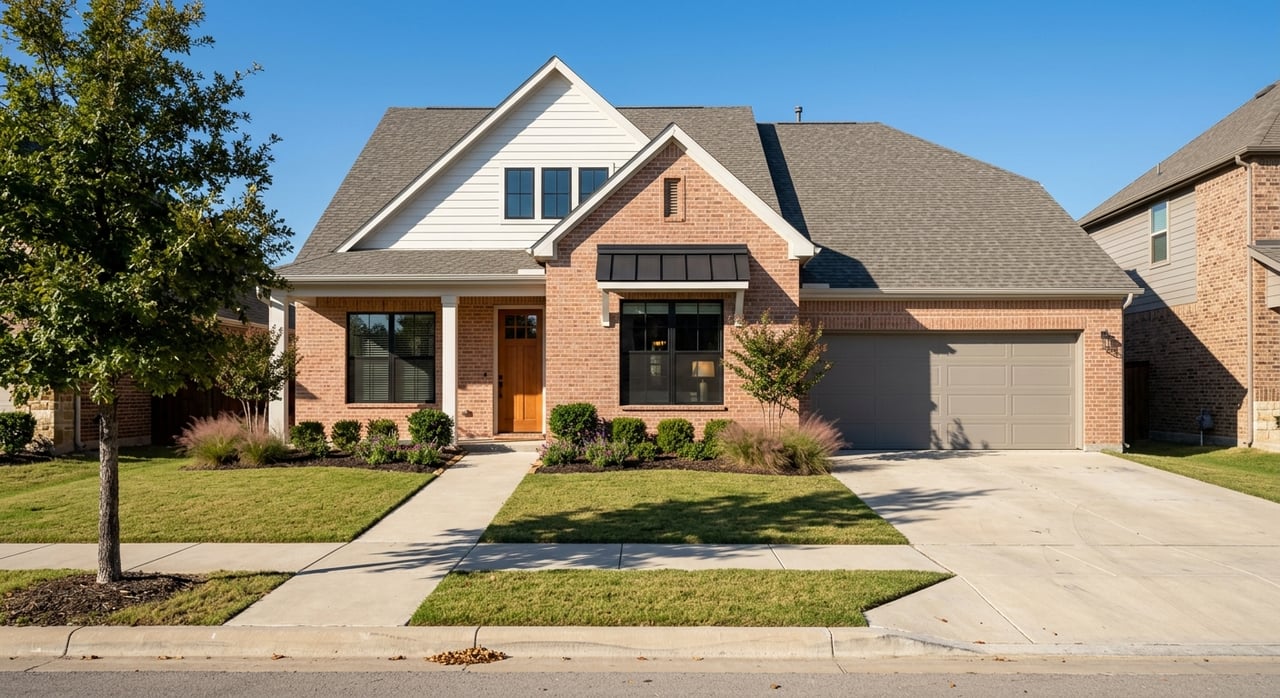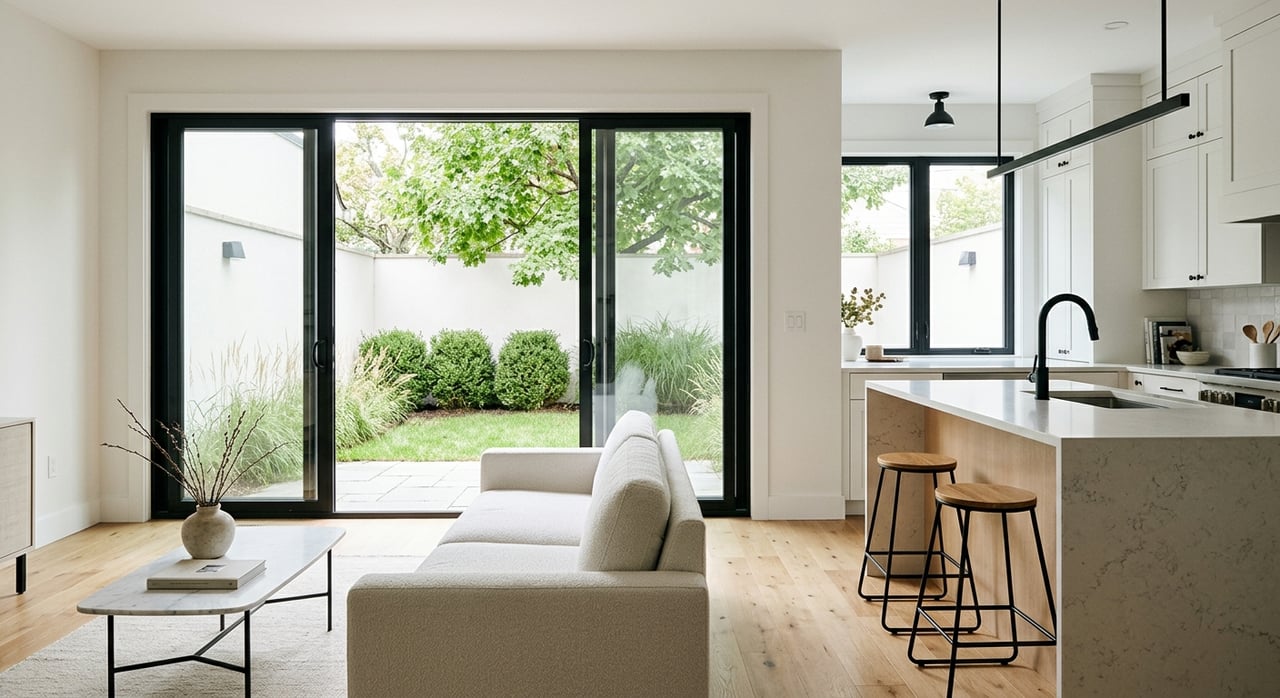
Thinking about trading yard work for a lock and leave lifestyle or a lower entry price? In Dallas County, condos and townhomes can deliver exactly that, but the right fit depends on your budget, financing, HOA rules and how you plan to live. In this guide, you will learn how attached homes differ from single family houses, what to expect in monthly costs, which Dallas area neighborhoods tend to fit each buyer profile and how to vet an HOA before you buy. Let’s dive in.
Dallas County market at a glance
If you felt priced out during the 2020 to 2022 run-up, you have more options today. As of November 2025, Dallas–Fort Worth supply has softened, days on market have stretched, and Dallas County’s median sale price has generally moved in a narrow band near the low to mid $300,000s, giving buyers more negotiating room and choice. You can see the county-level snapshot in the MetroTex report summarized by DFW Agent Magazine here.
Attached housing follows the same trend. Urban mid to high-rise condos and luxury townhomes in Uptown and Downtown often price higher than the county median, while many fee-simple townhome communities in inner suburbs like Plano and Irving offer options in accessible price bands. Entry-level condos under $300,000 also appear across Dallas County, but availability, building age and HOA health vary. Your best view comes from up-to-the-minute comps and project-level due diligence.
Condo vs townhome vs single-family
Ownership and legal form
- Condominium. You own the interior of your unit and a share of the common areas. The association manages the building exterior and shared elements. FHA and other programs evaluate condos at the project level, so building eligibility affects your loan. You can verify FHA-approved projects using HUD’s FHA condominium search.
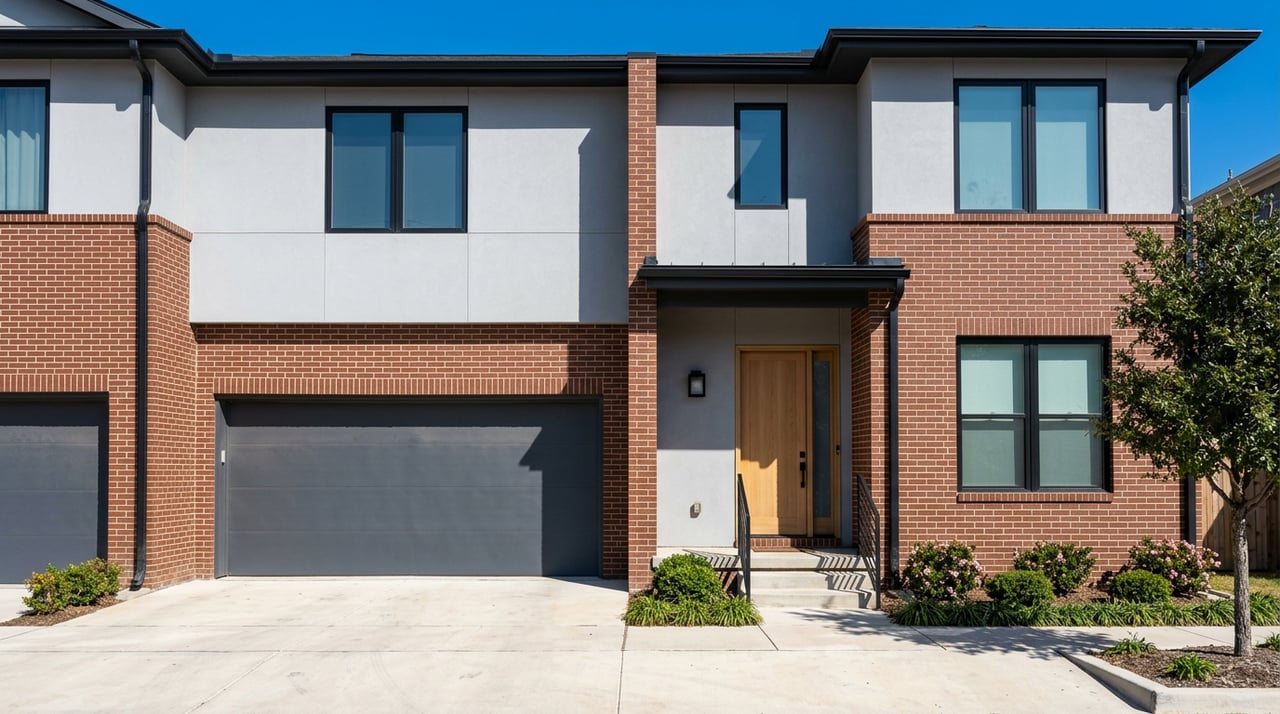
- Townhome. Two common setups:
- Fee-simple townhome. You own the structure and lot. You are often responsible for the roof and exterior, while the HOA maintains common areas.
- Condo-titled townhome. Legally a condo, even if it looks like a townhouse. Financing and insurance follow the condo rules.
- Single-family detached. You typically manage all exterior and yard work, and insurance is different from condo coverage.
The legal form drives financing, insurance and resale. Lenders and appraisers treat a condo-titled townhome like a condo, not like a fee-simple home. Fannie Mae’s condo project standards outline what makes a project “warrantable” for conventional loans. You can review those criteria in Fannie Mae’s project standards.
Maintenance, amenities and monthly costs
HOAs collect dues to fund building insurance, common-area upkeep and reserves. Dues may also include water, trash, landscaping or even exterior maintenance like roofs and siding. What is covered depends on the declarations and the master insurance policy.
Your monthly ownership cost usually looks like this:
- Mortgage payment
- Property taxes
- HOA dues
- Unit-level insurance (HO-6 for most condos; HO-3 for fee-simple townhomes)
- Utilities not covered by the HOA
A condo’s purchase price can be lower than a comparable single-family home, but dues and potential special assessments can raise the long-term cost. Healthy reserves help stabilize dues over time. Associations that lack reserves often turn to special assessments for big items like elevators or roofs. CAI-style reserve study guidance supports regular studies and funded replacement accounts. For a plain-English overview, see this Texas-focused primer on reserve studies.
Texas HOA rules you should know
Texas manages many HOA rules under the Texas Residential Property Owners Protection Act. As a buyer, you or your agent can request governing documents, financial statements, meeting minutes and other records to understand the association’s health and policies. Review the statute’s owner rights and records provisions in Texas Property Code Chapter 209 here.
Key documents to review before you are locked in:
- Current budget and most recent financials
- Reserve study or reserve balance and any planned capital projects
- Insurance declarations and master policy details, including deductibles and loss-assessment exposure
- CC&Rs, bylaws and rules covering pets, parking, rentals and architectural controls
- Board meeting minutes for the past 12–24 months and any pending litigation
- Assessment collection policy, transfer fees, resale certificate costs and any recent or proposed special assessments
These items influence lender approval, appraisal and resale. Strong reserves, clear insurance and clean litigation histories widen your future buyer pool and protect value.
Financing and resale checkpoints
FHA and conventional approvals
- FHA financing. Most condo buyers using FHA need either a HUD-approved project or a lender-secured single-unit approval. Check eligibility early using HUD’s condo lookup tool.
- Conventional financing. Fannie Mae and Freddie Mac require projects to meet warrantability standards. Some buildings need a full project review. If a project is non-warrantable, expect higher down payments or specialty programs. Read Fannie Mae’s condo project standards to understand what lenders evaluate.
Practical tip: If you need low-down financing, prioritize buildings that meet FHA or conventional warrantability. Confirm project status before you write an offer, and align your financing contingency with your lender’s review timeline.
Appraisals and marketability
Appraisers and buyers look closely at:
- Owner-occupancy rates
- Reserve balances and recent reserve studies
- Master insurance coverage and deductibles
- Litigation or high delinquency rates
Projects with strong owner-occupancy, funded reserves and clean insurance documentation tend to sell faster and appraise more smoothly. Projects with litigation, high rental concentration or weak reserves can limit loan options and shrink your buyer pool later. These factors are captured in the same Fannie Mae project standards.
Who benefits most in Dallas County
- First-time buyers and young professionals. You may get a lower entry price, smaller maintenance burden and locations near major job corridors. Just be sure the project fits your loan program and budget.
- Downsizers and empty nesters. You gain a simpler, lock and leave lifestyle and often on-site amenities like pools or fitness rooms. Balance convenience with a clear view of HOA reserves and assessment history.
- Busy professionals and frequent travelers. HOA-managed exteriors, vendor relationships and urban convenience can make life easier.
- Investors. Returns vary by neighborhood and project. HOA lease rules, dues, reserves and project warrantability all affect cap rates and future resale.
Neighborhood patterns to explore
- Downtown and Uptown Dallas. You will find many mid to high-rise condos and luxury townhomes with robust amenity packages. Dues are often higher because elevators, security and concierge services cost more to operate. Prices in these core neighborhoods commonly trend above the county median.
- Inner suburbs like Plano, Irving and Las Colinas, plus pockets of Farmers Branch and Carrollton. These areas offer modern townhome communities and fee-simple attached homes with typically lower HOA dues and convenient access to major employers. They often fit first-time buyers and commuters looking for newer construction and predictable upkeep.
- Older low-rise condos across East Dallas and other established neighborhoods. These can provide value-oriented price points. Pay close attention to building condition, reserve funding and insurance to avoid surprise assessments or financing hurdles.
Buyer due diligence checklist
Use this simple checklist to reduce surprises and protect your financing:
- Confirm legal form. Is it a condominium or a fee-simple townhome? The answer drives insurance, maintenance and lending. See Fannie Mae’s project standards.
- Request HOA documents early. Budget, 2 years of financials, reserve study or reserve balance, insurance declarations with deductibles, rules, owner-occupancy rate, last 12 months of minutes, litigation and delinquency reports. Review your rights under Texas Property Code Chapter 209 here.
- Verify loan options. Check FHA status using HUD’s condo lookup and ask your lender about conventional warrantability. Align your contract with a financing contingency that fits the project review.
- Price your insurance. Get an HO-6 quote for condos and compare it with the master policy to spot gaps, including loss-assessment coverage. Here is a helpful HO-6 overview from SmartFinancial.
- Read the rules for lifestyle fit. Review pet limits, parking, guest policies, rental restrictions and architectural controls.
- Ask about transfer and certificate fees. Title companies and HOAs sometimes charge these at closing, and they can affect your cash to close.
- For older buildings, add a specialized inspection. Ask about recent engineering reports and plan for roof, facade, plumbing stacks, mechanical systems and elevators.
Insurance basics for condos and townhomes
- Condos. You will usually buy an HO-6 policy that covers your interior finishes, personal property, liability and your share of certain common losses. Coverage depends on whether the master policy is “all-in” or “bare-walls.” Confirm how master deductibles are handled and whether owners can be assessed. Learn the basics in this HO-6 explainer from SmartFinancial.
- Townhomes. Insurance depends on title. Condo-titled townhomes typically use HO-6 policies. Fee-simple townhomes usually need a standard homeowners policy that covers the structure and lot. Your agent and insurance pro can align coverage with the HOA’s responsibilities to avoid overlaps or gaps.
Is it right for you? A quick fit test
You are likely a strong match for a Dallas County condo or townhome if you can say yes to most of the following:
- You prefer a simpler lifestyle with minimal exterior upkeep.
- You want location benefits near jobs, dining and transit.
- You are comfortable paying HOA dues in exchange for amenities and shared maintenance.
- You are willing to review HOA documents, reserves and insurance closely.
- Your financing works with the project’s FHA or conventional status.
If several items above give you pause, or you want maximum control over exterior changes, a single-family home may be a better fit.
Ready to explore options and review HOA health together? With an education-first approach, local comps and a clear lending game plan, you can buy with confidence in Dallas, Plano or Irving.
If you want personalized guidance, curated listings and a step-by-step plan from first tour to closing, connect with Clinton Asalu. He combines data-informed advice with boutique service to help you choose the right home for your lifestyle and budget.
FAQs
What are Dallas County condo prices right now?
- County-level medians moved in a narrow band around the low to mid $300,000s through late 2024 and into 2025, with more inventory and longer days on market, according to the MetroTex snapshot summarized here.
How do FHA approvals work for Dallas condos?
- FHA loans require either a HUD-approved project or a lender’s single-unit approval; you can check status using HUD’s FHA condominium search before making an offer.
Which HOA documents should I request before I buy?
- Ask for the budget, recent financials, reserve study or balance, insurance declarations, CC&Rs, rules, recent minutes and any litigation per your access rights under Texas Property Code Chapter 209 outlined here.
What insurance do condo owners need in Texas?
- Most condo owners need an HO-6 policy for interior finishes, personal property, liability and loss-assessment coverage; match it to the master policy as explained in this HO-6 overview.
What makes a condo project easier to finance and resell?
- Strong owner-occupancy, funded reserves, clear master insurance and no litigation help projects meet Fannie Mae’s warrantability standards, which broadens your future buyer pool and supports value.