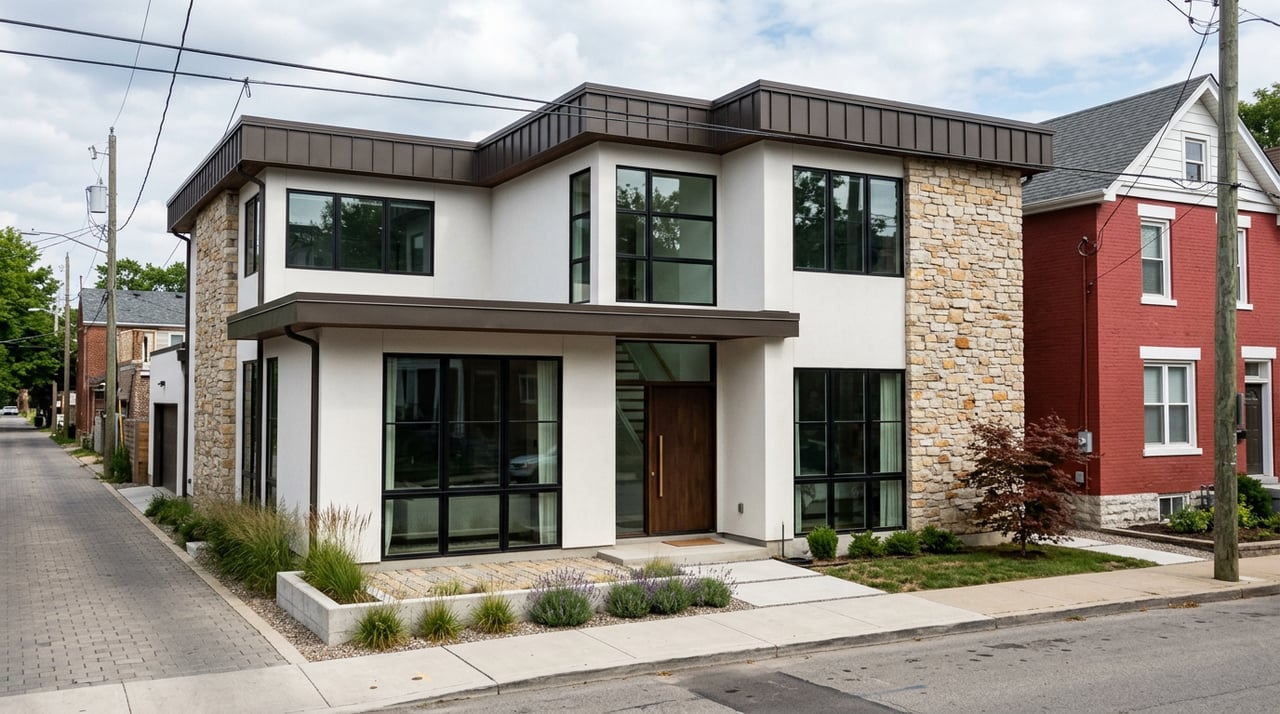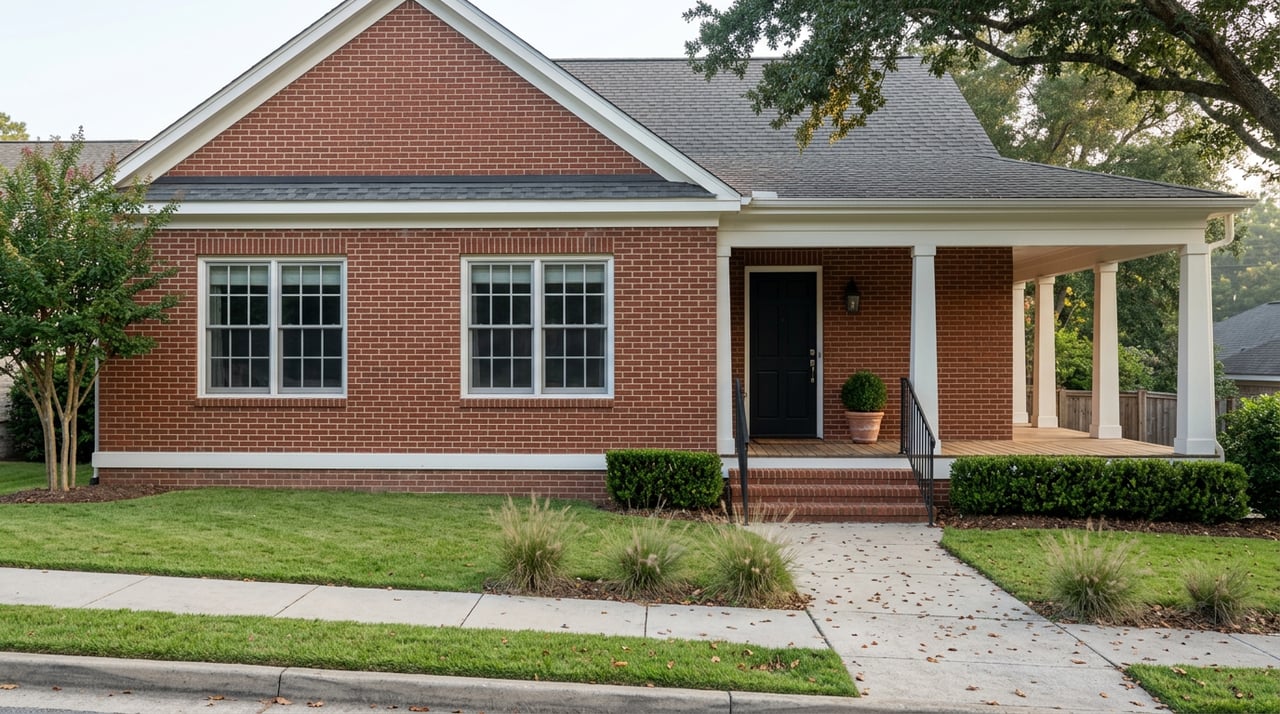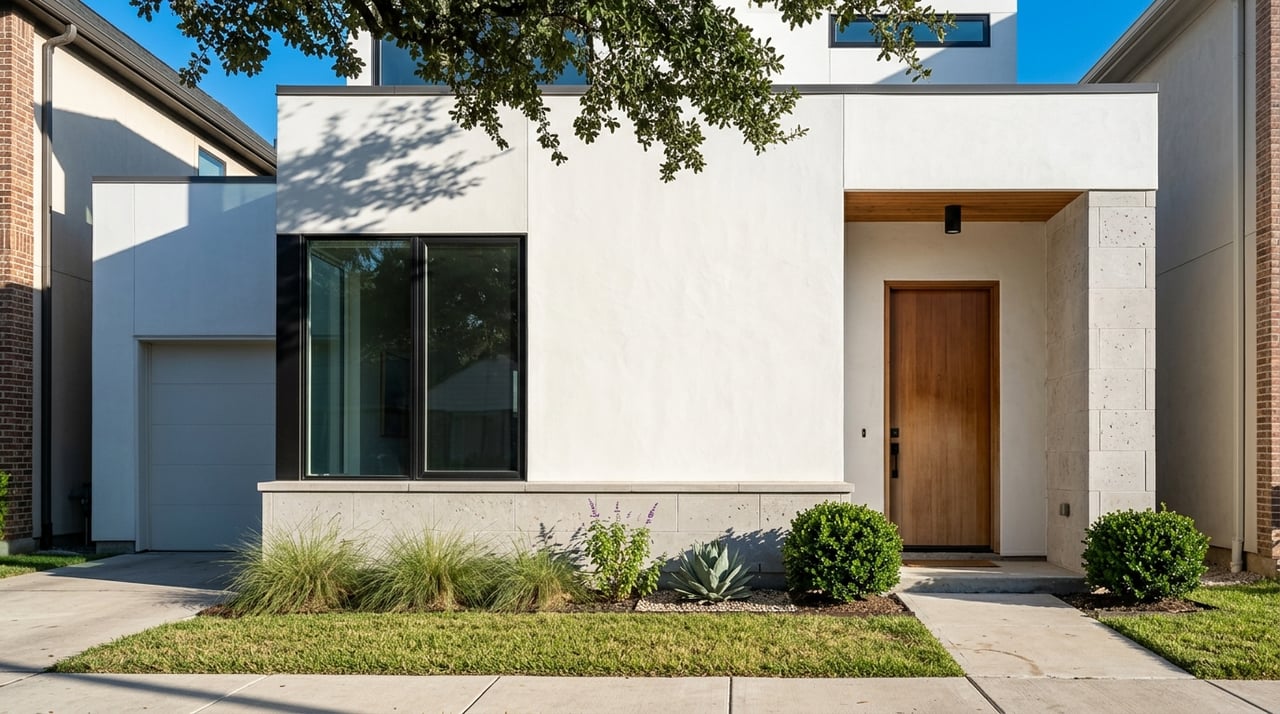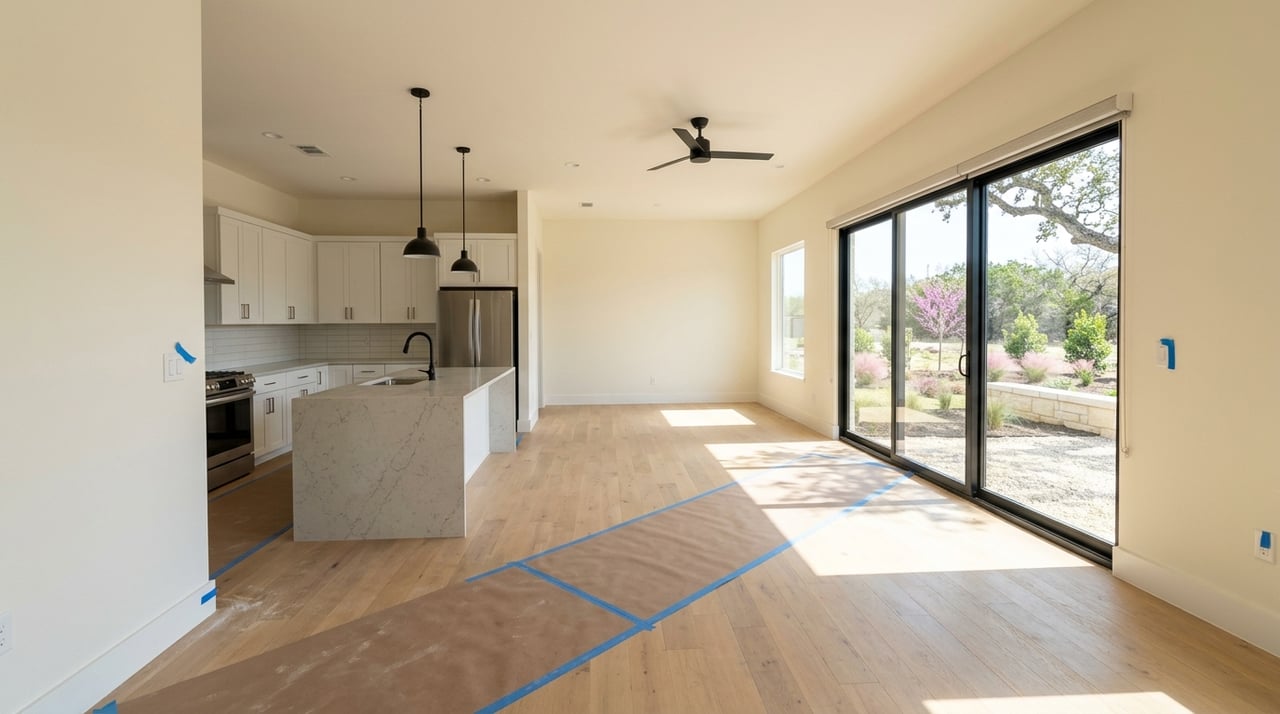
Wondering whether Dallas County or Collin County is the better fit for your move to DFW? It is a smart question, because the right answer depends on more than a county line on a map. If you are weighing budget, commute, housing style, and long-term fit, this guide will help you compare the two with real data so you can make a more confident move. Let’s dive in.
Dallas County vs. Collin County at a Glance
If you are relocating to DFW, these two counties often rise to the top for very different reasons. Dallas County tends to offer a lower entry price, more varied housing stock, and stronger transit access in many areas. Collin County tends to offer more newer construction, larger suburban neighborhoods, and a market shaped by fast growth.
The numbers show that difference clearly. In March 2026, the median sale price was $370,000 in Dallas County and $440,500 in Collin County. Census data also shows median owner-occupied home values of $303,000 in Dallas County and $475,600 in Collin County.
Population trends tell another part of the story. From April 1, 2020 to July 1, 2024, Collin County grew by 17.7%, while Dallas County grew by 1.7%. Dallas County is also much denser, with 2,993.6 people per square mile compared with 1,265.3 in Collin County.
Housing Costs and Home Types
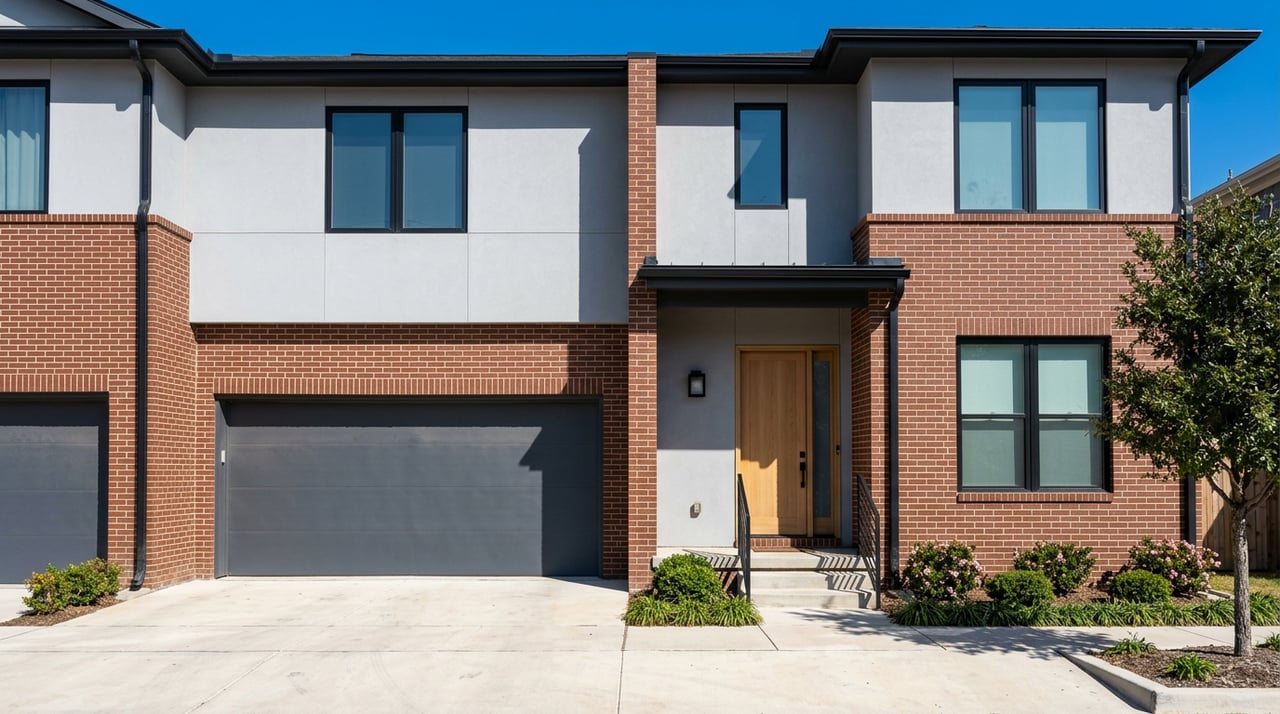
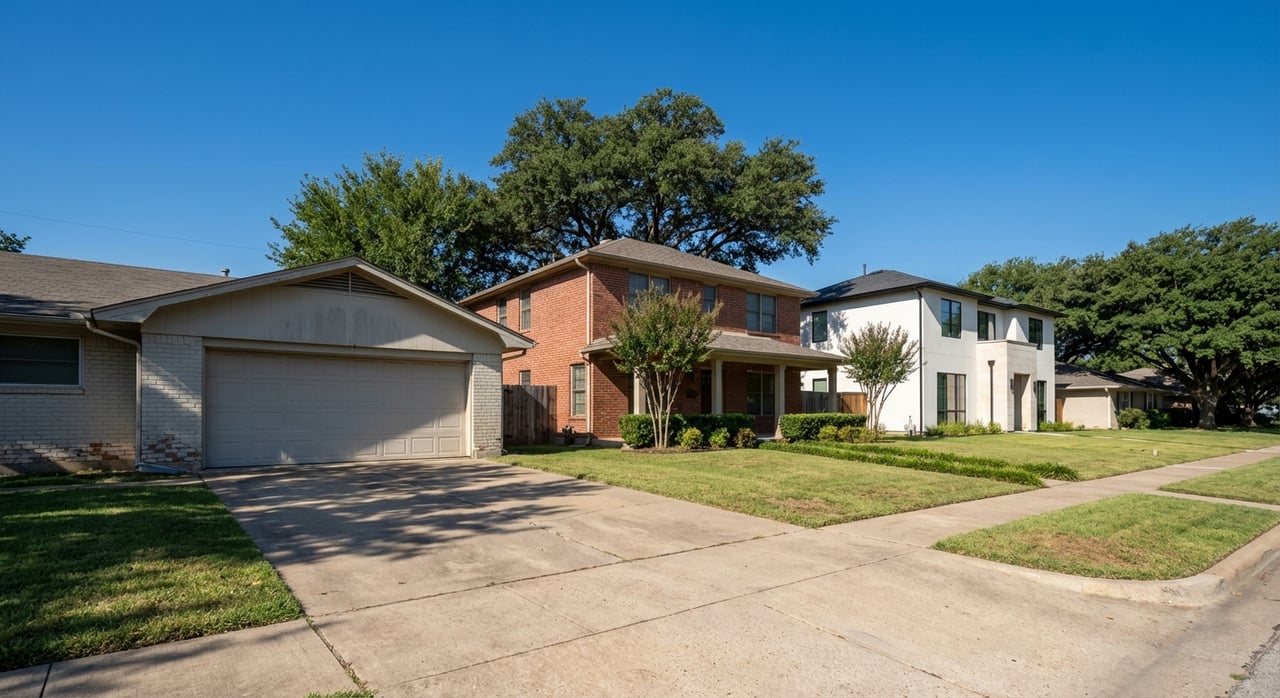
For many buyers, price is the first filter. Dallas County generally gives you a lower starting point, which can matter if you want to stay closer to the middle of your budget or keep more flexibility for repairs, updates, or future plans. That lower median price can also create more entry points for first-time buyers and buyers who want a townhome, condo, or older single-family home.
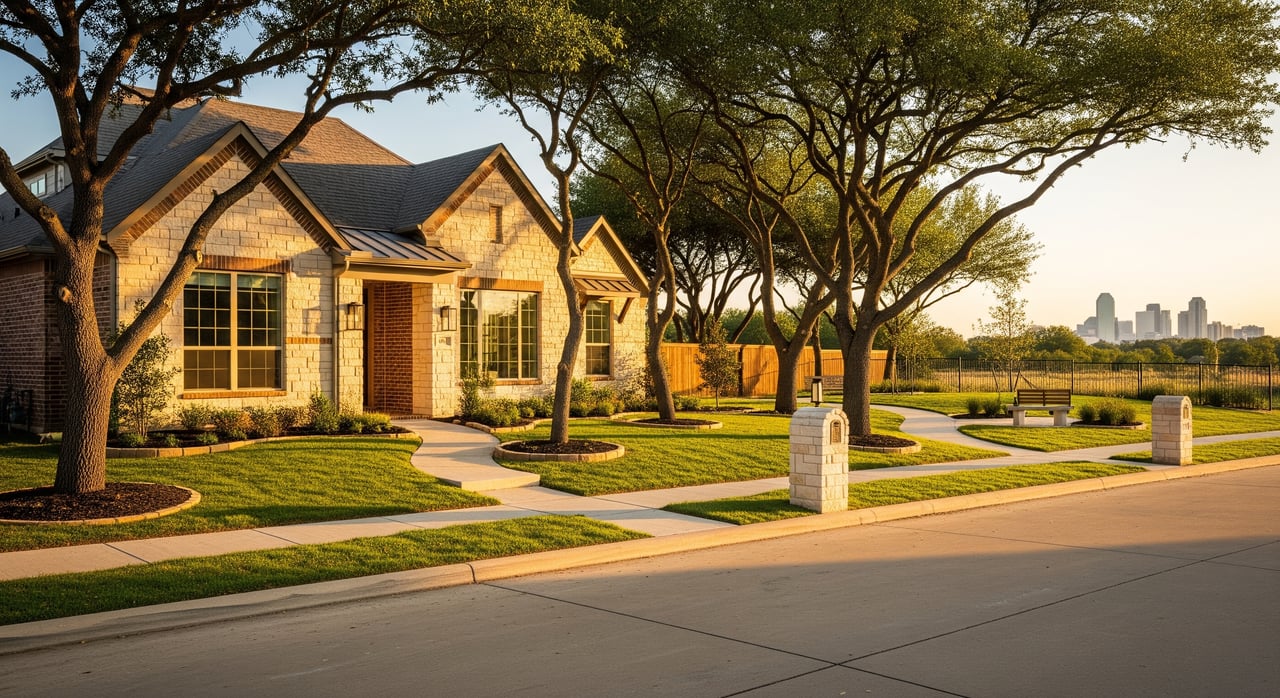
Collin County usually comes with a higher price tag, but it often appeals to buyers looking for newer homes and more suburban-style development. The research also points to more building permits in Collin County, which supports the pattern of ongoing new-home construction and expansion.
Market speed is a useful clue too. In March 2026, homes in Dallas County spent a median of 50 days on market, compared with 70 days in Collin County. Even so, sale-to-list ratios were nearly the same at 97.5% in Dallas County and 97.4% in Collin County, which suggests your negotiation power often depends more on the specific property and neighborhood than the county itself.
What buyers often find in Dallas County
- Lower median home prices
- More varied housing stock
- More older homes, condos, and townhomes in the mix
- More options for buyers focused on location and access
What buyers often find in Collin County
- Higher median home prices
- More newer subdivisions and new-construction options
- Larger suburban neighborhood patterns
- More inventory that fits buyers seeking newer layouts and community-style development
Taxes Matter More Than the County Name
One of the biggest relocation mistakes is assuming one county is simply “cheaper” for property taxes. In Texas, that is rarely the full story. Your total tax bill depends on multiple local taxing entities, not just the county.
The 2025 county tax rates show Dallas County at $0.215500 per $100 of value and Collin County at $0.149343 per $100. On paper, Collin County’s county portion is lower. But the county rate is only one layer of the total bill.
School district rates often have a much bigger impact. The latest official notices in the research report list 2025 rates of $0.993835 for Dallas ISD, $1.015900 for Irving ISD, $1.039550 for Plano ISD, $1.019400 for Frisco ISD, and $1.125800 for Allen ISD. That is why two homes with similar prices can have very different carrying costs depending on the exact address.
Special districts can also affect the total. Some properties, especially in newer developments, may include additional district charges such as MUDs or PIDs. That means it is important to review the full tax stack for any home you are seriously considering.
Homestead exemptions in Texas
For owner-occupied primary residences, Texas also offers important tax relief tools. The Texas Comptroller states that school districts must provide a $140,000 residence homestead exemption, and local taxing units may adopt additional optional homestead exemptions of up to 20% of appraised value.
Both Dallas Central Appraisal District and Collin Central Appraisal District describe the homestead cap as a 10% annual limit on appraised-value growth for residence homesteads once the exemption is in place. For relocators, that can become an important part of long-term affordability planning after you buy.
Dallas CAD requires occupancy and a matching Texas ID for homestead filing. Collin CAD says general applications are typically filed between January 1 and April 30. If taxes are a top concern, it makes sense to compare specific addresses rather than broad county averages.
Commute and Transportation
A lot of relocation buyers assume Dallas County means a shorter commute and Collin County means a longer one. The average numbers do not fully support that assumption. Census data shows mean commute times of 26.8 minutes in Dallas County and 28.2 minutes in Collin County.
That gap is small, but the experience can feel very different depending on where you live and how you travel. Dallas County has stronger transit access in many areas, while more of Collin County is oriented around driving, especially outside DART-served cities.
Dallas Area Rapid Transit serves 13 cities, including Dallas, Irving, Plano, Richardson, Garland, and Rowlett. Its rail system spans 93 miles with 65 stations, and it also operates bus, regional rail, GoLink, and paratransit service.
For buyers who want rail access to downtown Dallas, North Dallas, Richardson, Plano, Irving, Garland, Rowlett, or DFW Airport, that transit network can be a major deciding factor. Dallas County also highlights trail connections to employment centers and DART stations, including Las Colinas, the Telecom Corridor, downtown Dallas, White Rock Lake, and the Trinity River.
If commute convenience is a top priority
Ask yourself these questions:
- Where will you go most often each week?
- Do you want rail access or do you plan to drive everywhere?
- Is proximity to downtown Dallas important?
- Are your daily routines centered more in northern suburbs?
If you want stronger transit options or easier access to central Dallas job centers, Dallas County and DART-served parts of the region may feel like a better match. If your routine is concentrated in suburban northern areas, Collin County may fit your day-to-day life just as well, even with a similar average commute time.
Lifestyle and Daily Feel
County choice is not only about cost. It is also about how you want your everyday life to feel. That includes neighborhood pattern, pace, housing type, and how close you want to be to key destinations.
Dallas County is denser and has a lower owner-occupancy rate at 50.8%, compared with 64.5% in Collin County. Those numbers usually line up with a more urban, mixed, and housing-diverse environment. If you like a wider range of housing choices and access points, Dallas County may offer more flexibility.
Dallas County also has a substantial open-space network. Its Parks & Open Space Program includes 21 preserves totaling 4,166 acres, and the county says its trail network is designed to connect neighborhoods, parks, and major destinations.
Collin County’s profile is different. It has seen much faster recent growth, and the research report notes higher median household income, a higher share of adults with a bachelor’s degree or higher, and more building permits. Its long-range parks and open-space plan recommends adding 7,055 to 9,615 acres of parks and open space and 350 to 431 miles of trails over the next 24 years, which reflects how central growth planning is to the county’s future.
Which County Fits Your Priorities?
The better county is usually the one that matches your budget and your routine at the same time. A lower purchase price may not feel like a better deal if the commute, taxes, or housing style do not fit how you actually live. The same goes for paying more for newer construction if you would rather be closer to the places you visit every week.
Dallas County may fit you better if you want:
- A lower median purchase price
- More varied housing options
- Better access to transit in many areas
- A denser, more urban environment
- More options for condos, townhomes, or older homes
Collin County may fit you better if you want:
- More newer-construction opportunities
- Larger suburban neighborhood patterns
- A fast-growing market
- More homes in newer planned developments
- A lifestyle centered around northern suburban routines
A Smarter Way to Decide
If you are relocating to DFW, do not choose between Dallas County and Collin County based on reputation alone. Compare a few real options side by side, including purchase price, full tax bill, commute route, and the type of home you actually want. That approach usually leads to a better long-term decision than focusing on county labels.
An education-first search can save you time and stress, especially if you are moving from out of town and trying to learn the market quickly. When you break the move into practical pieces, the right fit becomes much easier to see.
If you want help narrowing down the best areas, comparing homes, or understanding the real cost of ownership across DFW, Clinton Asalu can guide you step by step with clear, data-informed advice.
FAQs
What is the main price difference between Dallas County and Collin County homes?
- March 2026 data shows a median sale price of $370,000 in Dallas County and $440,500 in Collin County, so Dallas County generally offers a lower entry price.
Are property taxes lower in Collin County than Dallas County?
- The 2025 county tax rate is lower in Collin County, but your total property tax bill also depends heavily on the school district rate and any special districts tied to the property.
Is commuting easier from Dallas County than Collin County?
- Average commute times are close, at 26.8 minutes in Dallas County and 28.2 minutes in Collin County, but Dallas County often offers stronger transit access while many Collin County areas are more car-oriented.
Does Collin County have more new-construction homes than Dallas County?
- The research report shows more building permits in Collin County, which supports the pattern of more ongoing new-home development and suburban expansion.
Is Dallas County better for first-time buyers relocating to DFW?
- Dallas County may appeal to first-time buyers because of its lower median price and more varied housing stock, but the best fit still depends on your budget, commute, taxes, and preferred home style.
What should you compare first when choosing between Dallas County and Collin County?
- Start with the specific home price, school district tax rate, county tax rate, any special district charges, and your likely commute route for each address you are considering.