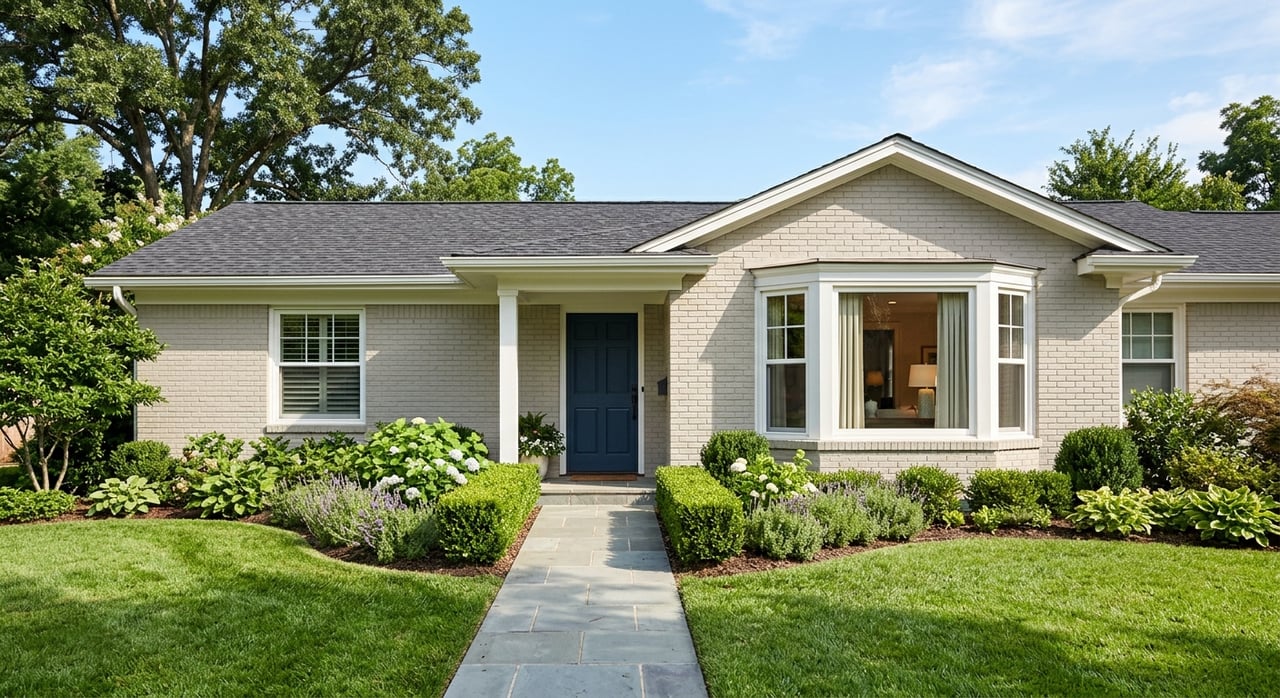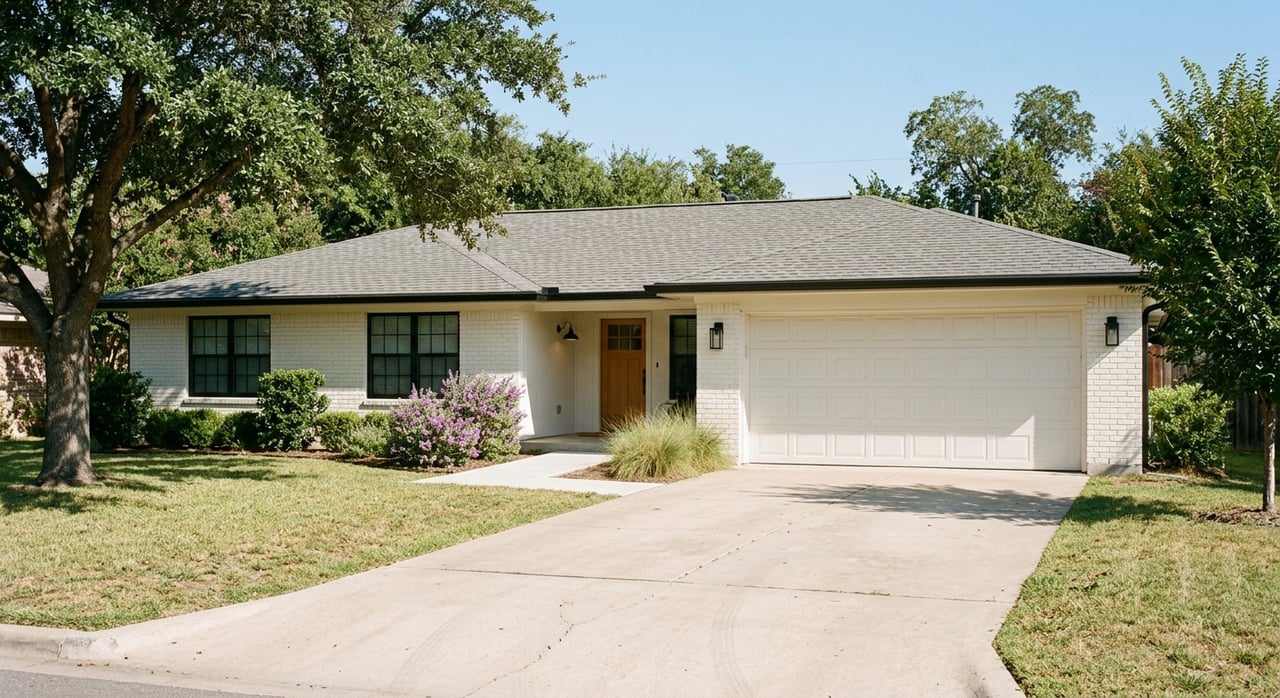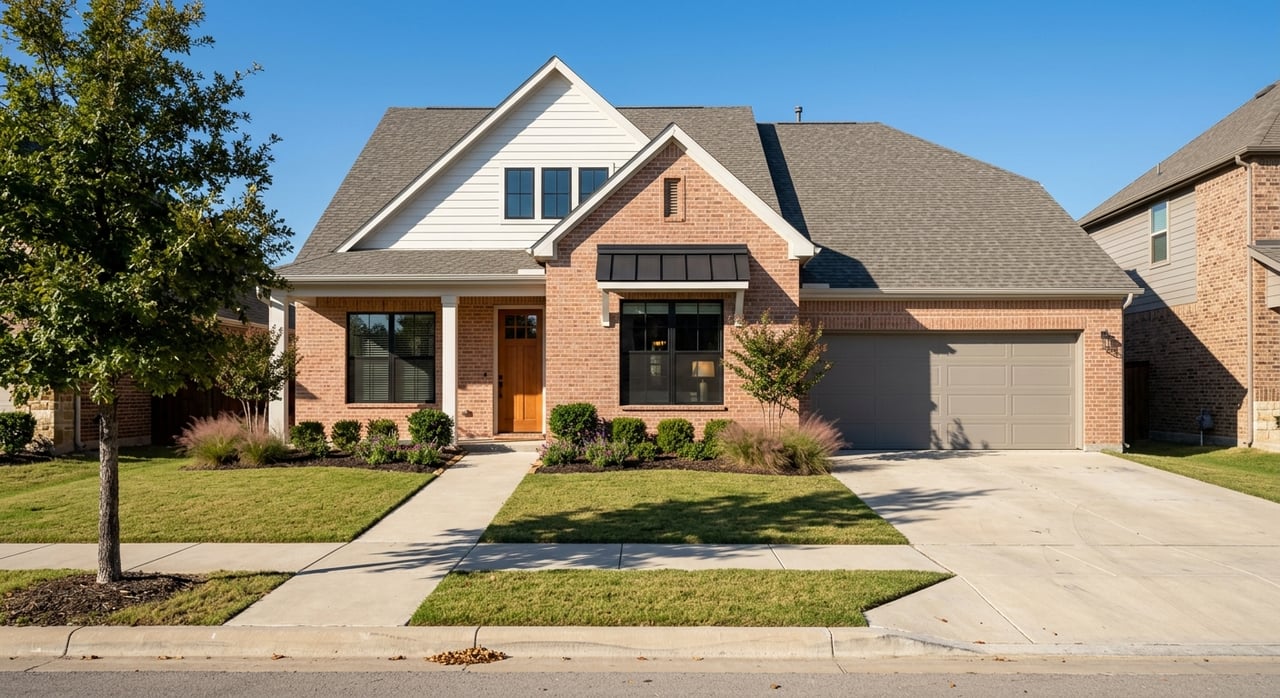
If you price your Dallas County home based on what you hope it will sell for instead of what today’s market supports, you can lose time, leverage, and serious buyer attention. That is frustrating, especially when you have put money into your home and want to maximize your result. The good news is that a smart pricing strategy can help you attract stronger interest and make better decisions from day one. Let’s dive in.
Why pricing matters more now
Dallas County is not the same market it was when low inventory gave sellers the upper hand. In March 2026, Redfin reported a median sale price of $369,000, 50 days on market, and a 97.5% sale-to-list ratio. Realtor.com also showed a market with more choice for buyers, reporting 11,100 homes for sale, a median list price of $379,000, 47 days on market, and a 99% sale-to-list ratio.
Those numbers matter because they point to a buyer-leaning market. Buyers have more homes to compare, more time to think, and more room to negotiate. If your home enters the market at the wrong price, buyers may simply move on to the next option.
The broader Dallas-Fort Worth-Arlington market tells a similar story. Texas REALTORS reported 4.0 months of inventory in Q1 2026, with active listings up 3.6% year over year. That is much closer to a balanced market than the fast-moving conditions many sellers still remember.
Dallas County pricing is local
One of the biggest pricing mistakes is treating Dallas County like one single market. It is not. Texas REALTORS notes that market conditions can vary a lot by city and even by neighborhood, which is especially important in an area as diverse as Dallas County.
That means your pricing strategy should reflect your specific micro-market, not just countywide headlines. A home in Dallas may face a different set of buyer expectations than one in Irving or a Plano-adjacent area of Dallas County. Even within the same ZIP code, condition, lot, layout, and nearby competition can change the pricing conversation.
What a CMA really tells you
A comparative market analysis, or CMA, is one of the most useful tools for setting a list price. According to NAR, a CMA estimates value based on similar homes that recently sold, are under contract, or are currently active. It also considers factors like size, location, amenities, condition, and current market conditions.
In practical terms, the strongest pricing evidence usually comes from recent sold homes and pending sales in your immediate area. Sold homes show what buyers have already agreed to pay. Pending sales can give helpful clues about where the market is moving right now, even before those final numbers fully close.
Active listings matter too, but in a different way. They show your competition, not proven value. If nearby homes are sitting without offers, that can be a sign that buyers are pushing back at those price points.
Why tax value is not your list price
Many sellers look at their Dallas Central Appraisal District value and assume it should guide their listing price. That is understandable, but DCAD makes clear that appraised value is for property tax purposes, not as a substitute for market pricing. DCAD appraises each property at least once every three years, may reappraise more often in active areas, and uses comparable sales along with income and cost data to determine value.
DCAD also notes that market changes alone can raise value, even if you have not improved the home. On top of that, a homestead cap can keep appraised value below market value by limiting annual increases until the value catches up. In other words, your tax notice may be lower or higher than what the current buyer pool will actually support.
That is why a broker pricing analysis based on recent sales, pending activity, competition, and condition is far more useful when you are deciding how to launch your home. Tax assessments and online estimates can be reference points, but they should not drive the final number.
Condition still shapes price
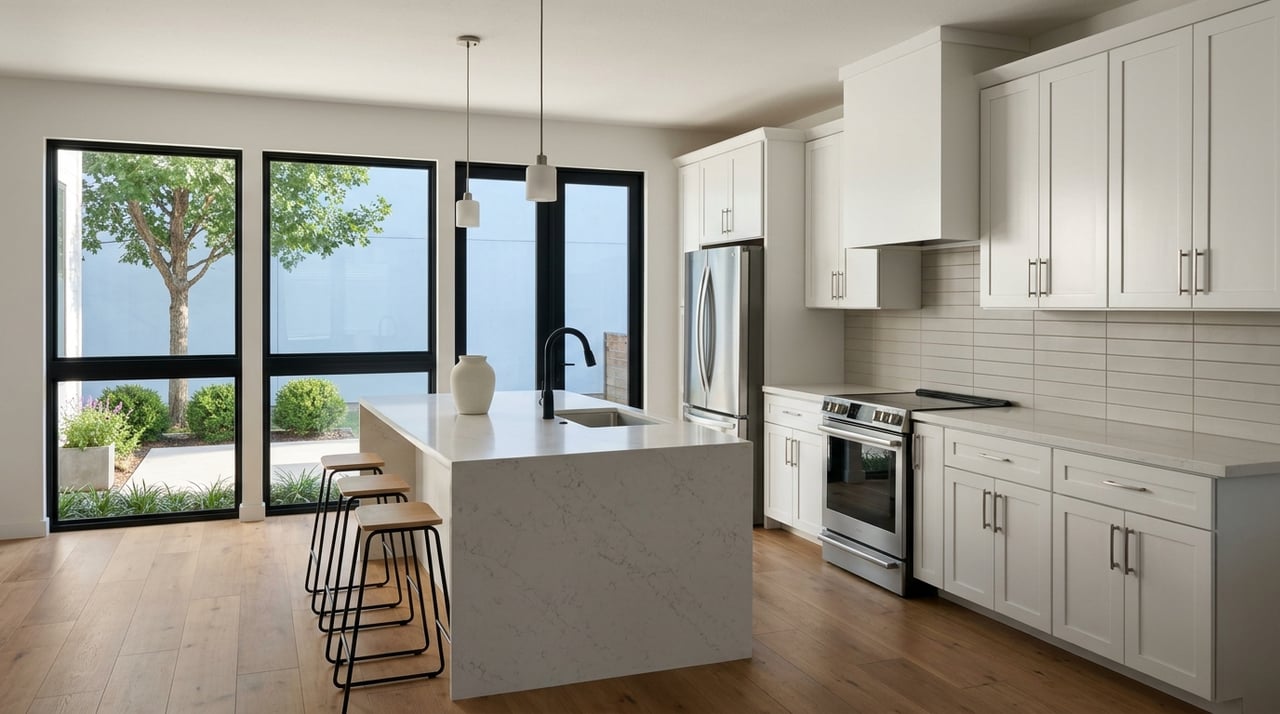
Pricing is not just about square footage and location. Condition matters, and buyers usually notice it quickly. DCAD notes that property value changes can reflect inspections, permits, database corrections, equalization, and sales information, which reinforces how important accurate property characteristics and documented improvements can be.
If you have updated your home, that can support your pricing position, but not every project adds the same value. NAR’s 2025 Remodeling Impact Report found strong cost recovery estimates for a new steel front door, closet renovation, and new fiberglass front door. At the same time, the report does not suggest that every improvement returns dollar for dollar.
The key is to think like a buyer. Clean, well-maintained, and move-in-ready homes often create stronger first impressions than homes with highly personalized upgrades. When buyers feel they can move in without taking on immediate work, they are often more comfortable making competitive offers.
Presentation can support your price
In a market where buyers have choices, presentation helps your pricing strategy work better. NAR’s 2025 Profile of Home Staging found that 29% of agents reported staged homes received a 1% to 10% increase in the dollar value offered. The same report found that 49% saw reduced time on market, and the median cost of professional staging was $1,500.
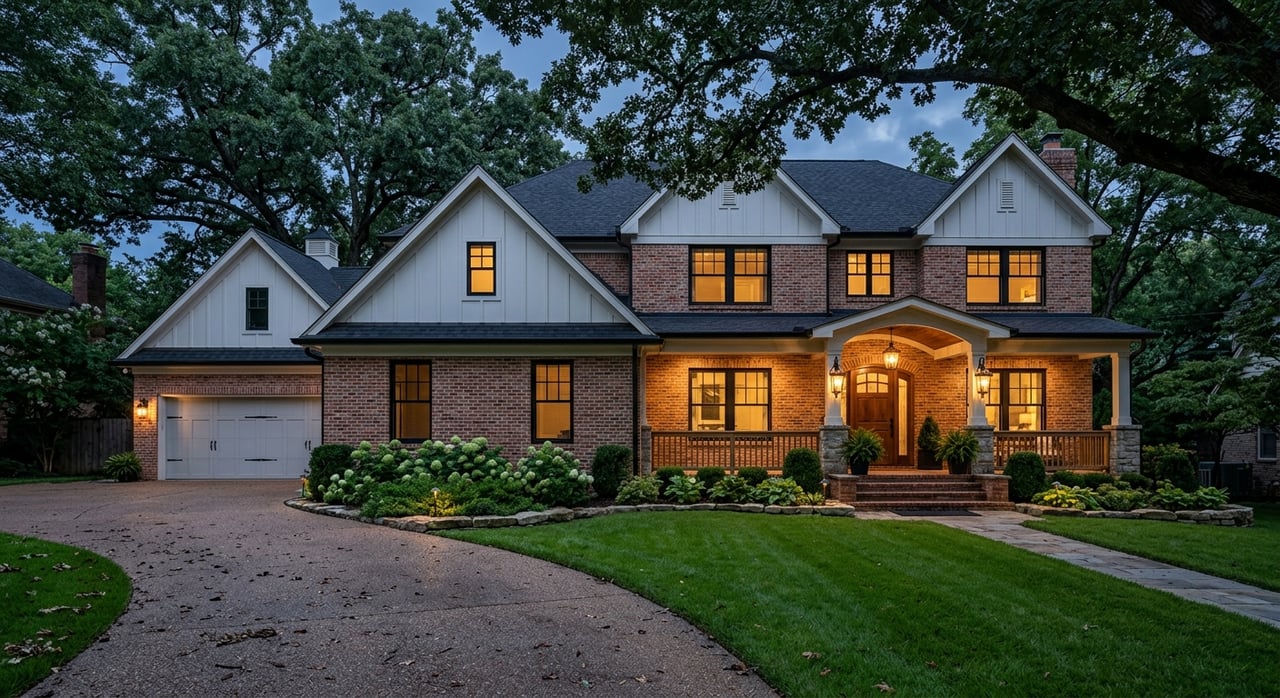
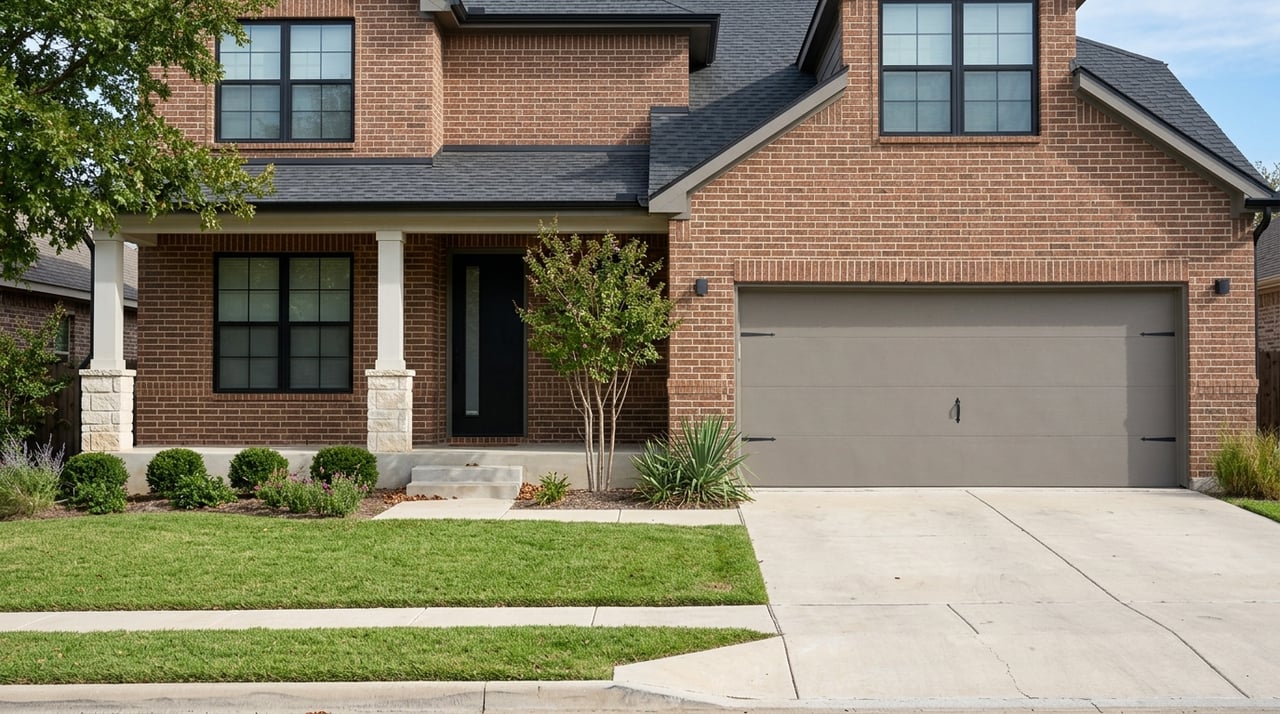
That does not mean every seller needs full-service staging. It does mean that preparation can influence both buyer perception and market response. The most common seller-prep recommendations include decluttering, deep cleaning, and improving curb appeal.
These steps matter because pricing and presentation work together. A well-priced home that looks clean, bright, and cared for is more likely to generate showings and stronger offers than a similarly priced home that feels neglected or distracting.
The cost of overpricing
Overpricing is one of the most expensive mistakes a seller can make, even when it feels like a safe starting point. Texas REALTORS’ 2025 Homeselling Experience Report found that 75% of surveyed agents had at least one seller-client who believed the home was worth at least 10% more than the agent’s market analysis. But only 7% of those homes sold for that higher price.
That gap is important. It shows that seller optimism often runs ahead of what buyers are actually willing to pay. In a buyer-leaning market, that mismatch can cause your listing to sit while newer, better-priced options capture the attention.
NAR also warns that overpricing can exclude potential buyers. If your home lingers on the market, buyers may start to assume there is room to negotiate more aggressively on price, terms, or repairs. Instead of protecting your upside, a high starting price can weaken your position.
Why the first two weeks matter
Your launch window is one of the most important parts of the selling process. When your home first hits the market, buyers and agents notice. If pricing, condition, and presentation align, that early attention can create momentum.
NAR’s pricing guidance suggests that a competitive initial price may need to be 3% to 5% below the most recent sale or pending-sale benchmark in some situations. It also suggests watching the market response for about two weeks before making a well-timed adjustment if needed.
That does not mean every seller should underprice their home. It means you should price strategically for the market you are in now, not for last year’s pace. In Dallas County, where buyers have more options, a disciplined first-two-weeks plan can help you react before your listing goes stale.
What strategic pricing looks like
A smart pricing plan is not guesswork. It is a step-by-step process that uses current data and real buyer behavior. For many Dallas County sellers, that process should include:
- Recent sold comps in the same micro-market
- Pending sales that show where demand is heading now
- Active listings that show your direct competition
- Adjustments for condition, upgrades, lot, layout, and amenities
- A clear review of showing activity and buyer feedback in the first two weeks
This kind of plan gives you a better chance to launch at a price that attracts real interest. It also helps you avoid emotional pricing decisions based on outdated market memories or automated estimates.
When a price reduction makes sense
A price reduction is not always a failure. Sometimes it is simply a smart correction based on real-time market feedback. If your home is getting limited showings, little online engagement, or repeated comments about price, the market is giving you useful information.
NAR notes that price reductions of 2% to 5% can increase showings and generate offers. In a market like Dallas County today, a timely adjustment can help you regain momentum before buyer interest fades further.
The key is to stay objective. Small, thoughtful corrections often work better than waiting too long and making a larger cut later. A strategic seller responds to the market instead of fighting it.
Price for the market you have
The main takeaway is simple. Price for the market you have, not the one you remember. Dallas County data, DFW inventory trends, CMA best practices, and DCAD valuation guidance all point in the same direction.
Today’s buyers are informed, selective, and quick to compare options. When your home is priced with discipline, supported by local comps, and presented well, you put yourself in a stronger position to attract attention and negotiate from a place of confidence.
If you want a data-backed plan for selling in Dallas County, Clinton Asalu offers education-first guidance, polished marketing, and local insight to help you price and launch your home with confidence.
FAQs
How should I price my Dallas County home in today’s market?
- Use a strategy built on recent sold comps, pending sales, active competition, your home’s condition, and current buyer behavior in your specific Dallas County micro-market.
Is my DCAD appraised value the right list price for my Dallas County home?
- No. DCAD values are used for property tax purposes and are not a substitute for a market-based listing price.
What happens if my Dallas County home is priced too high?
- Overpricing can reduce showings, limit your buyer pool, increase negotiation pressure, and lead to a longer time on market.
How important is home condition when pricing a Dallas County listing?
- Condition matters a lot because buyers compare homes closely, and clean, well-maintained, move-in-ready homes often support stronger pricing and buyer response.
Should I reduce the price if my Dallas County home is not getting showings?
- If early market feedback is weak, a timely and strategic price reduction may help increase showings and improve your chances of receiving offers.