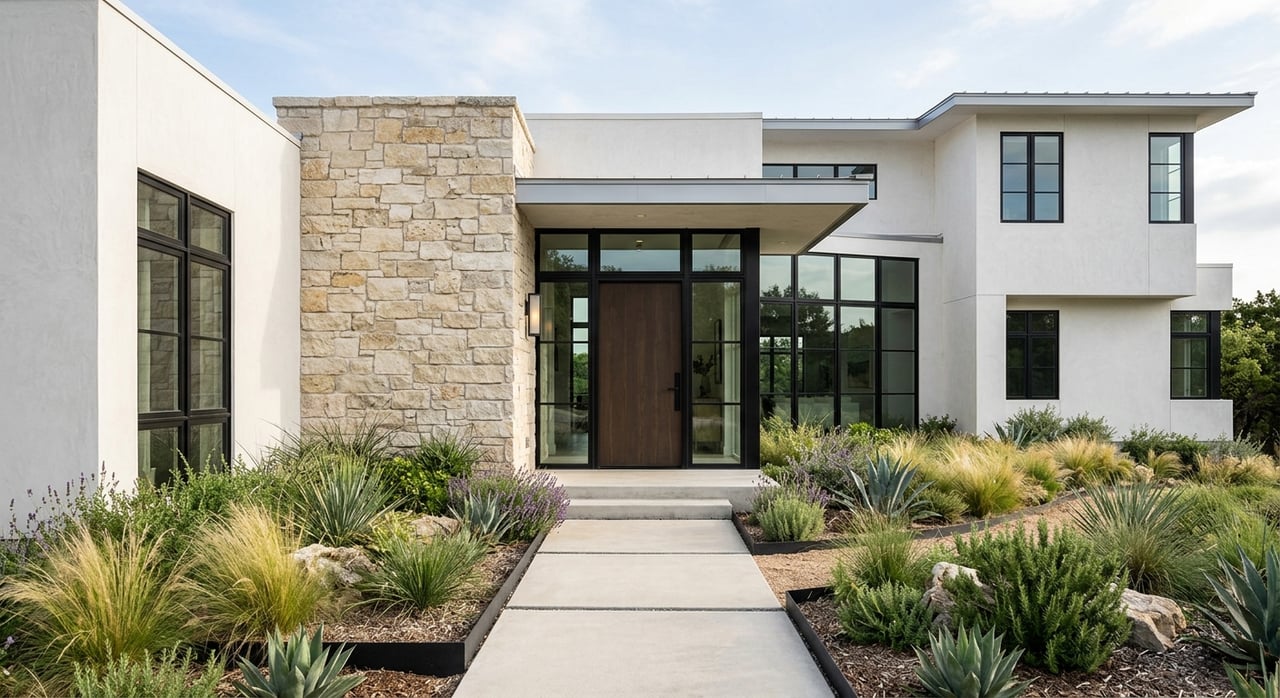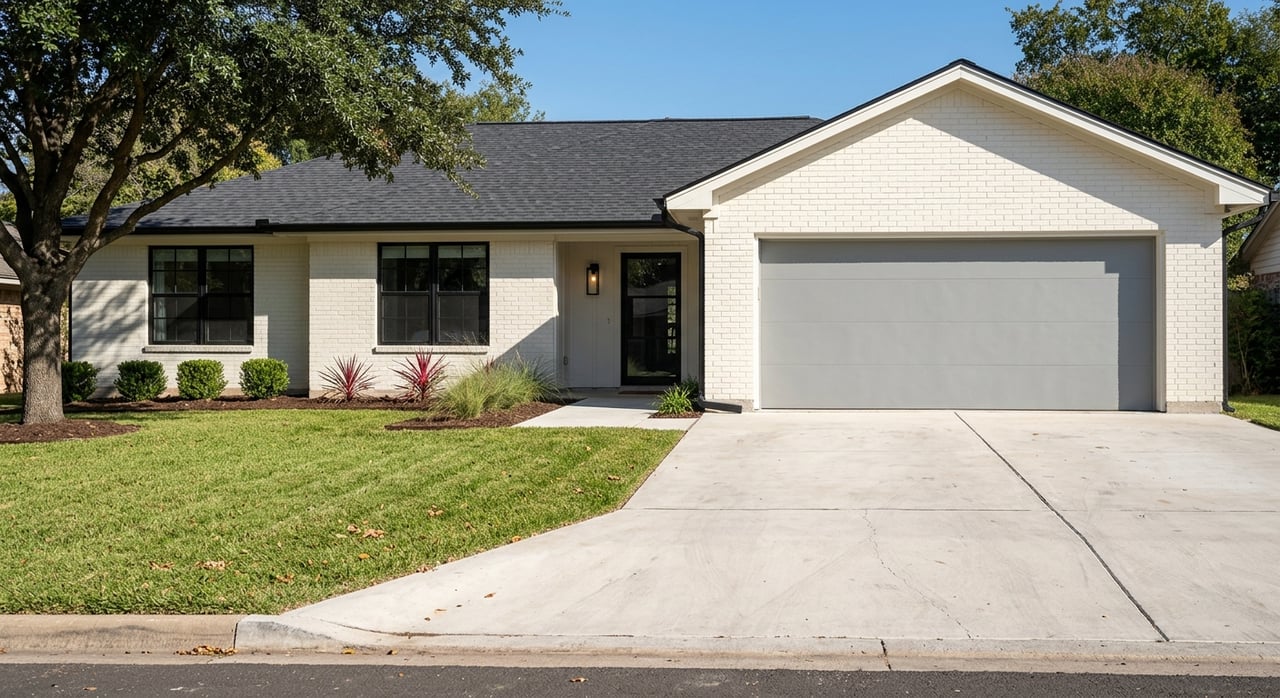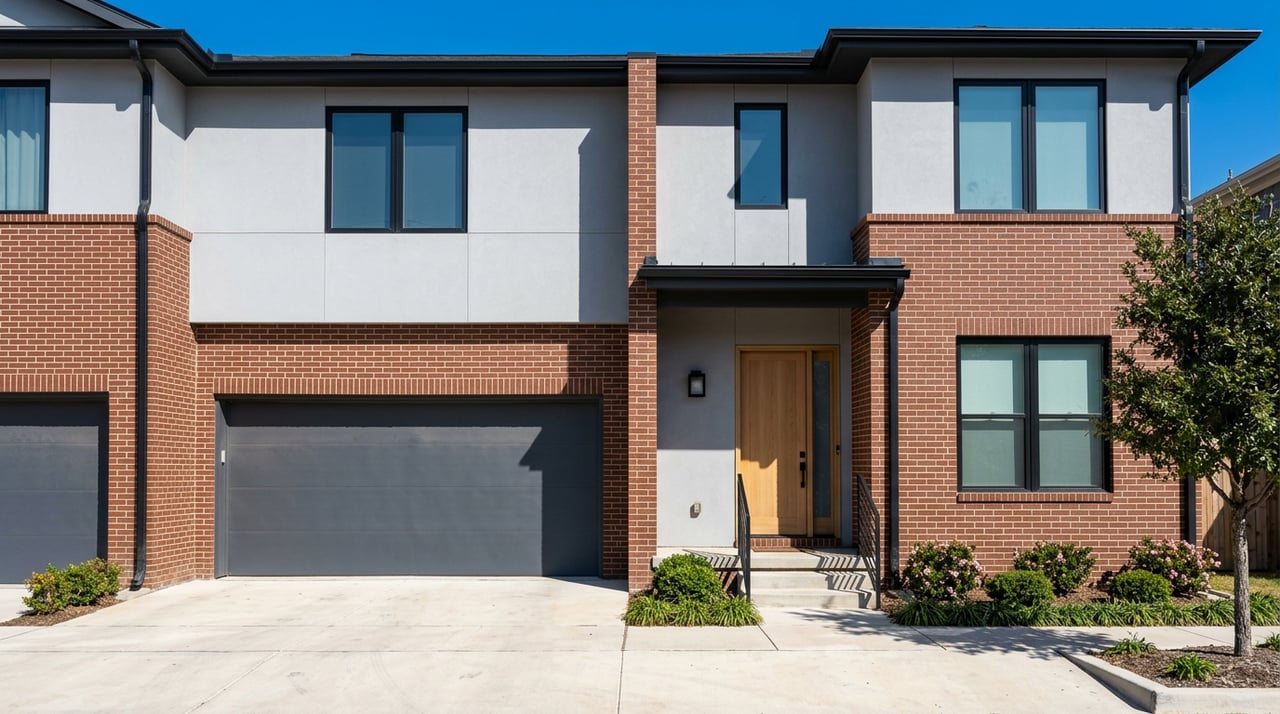
Thinking about buying a brand-new home in Dallas County? It is easy to focus on fresh finishes, open layouts, and builder incentives, but the real story often starts with the lot, the city rules, and the infrastructure around the home. If you want to buy with more confidence, this guide will help you understand what matters most when comparing new-construction and infill homes in Dallas County. Let’s dive in.
Why Dallas County Requires Local Research
Dallas County is a large and varied housing market, with about 1.1 million housing units, a 50.8% owner-occupied rate, and a median owner-occupied home value of $303,000 based on 2020 to 2024 ACS data. Within the county and nearby market areas, price points and ownership patterns can look very different. Dallas, Irving, and Plano each show different housing profiles, which is a good reminder that broad averages do not tell you enough about a specific street or lot.
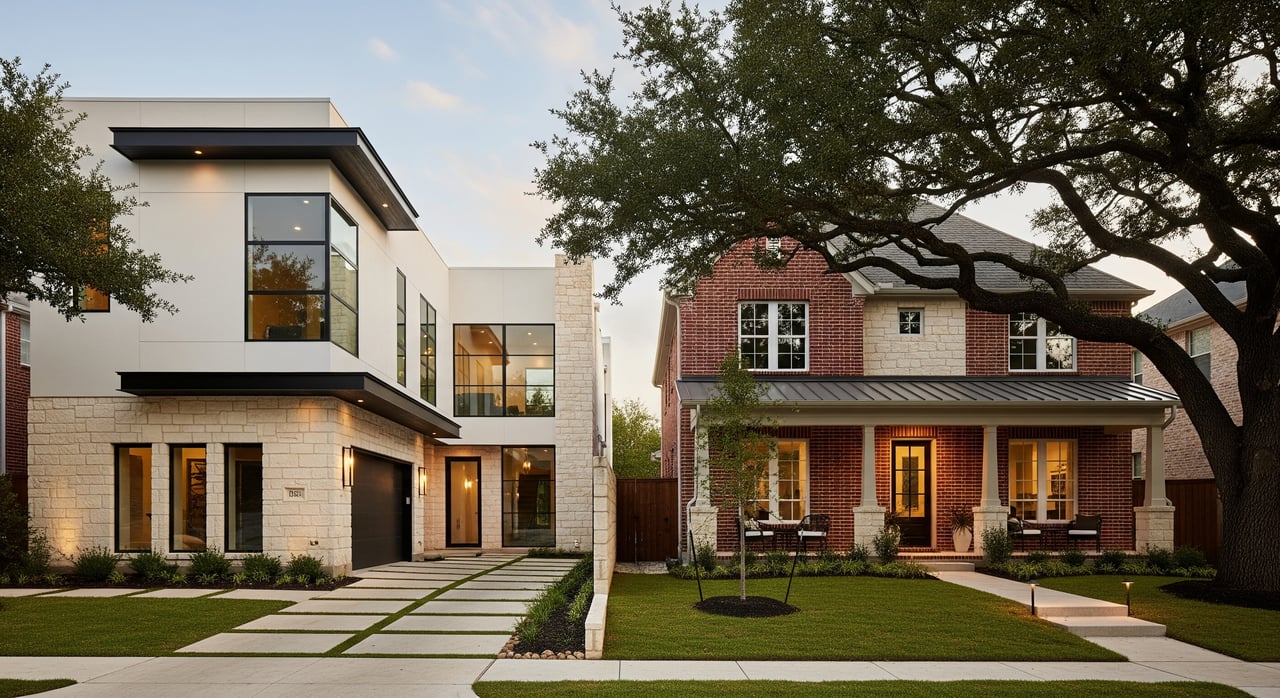
For buyers, that means block-level research matters more than citywide headlines. A new build in one part of the market can feel completely different from an infill home a few miles away, even when the list price looks similar. If you want to make a smart comparison, you need to look beyond finishes and focus on how the home fits its site and city rules.
Why the City Matters Too
In Dallas County, the municipality can be just as important as the county itself. Dallas, Plano, and Irving each use their own local systems for zoning, land use review, and development standards. That can affect everything from lot size and setbacks to permitting and site-plan review.
This matters because a home’s value and usability are shaped by local rules, not just builder choices. When you are comparing homes, it helps to ask which city governs the property and what that city requires. That extra layer of due diligence can protect you from surprises later.
Lot Size Changes Everything
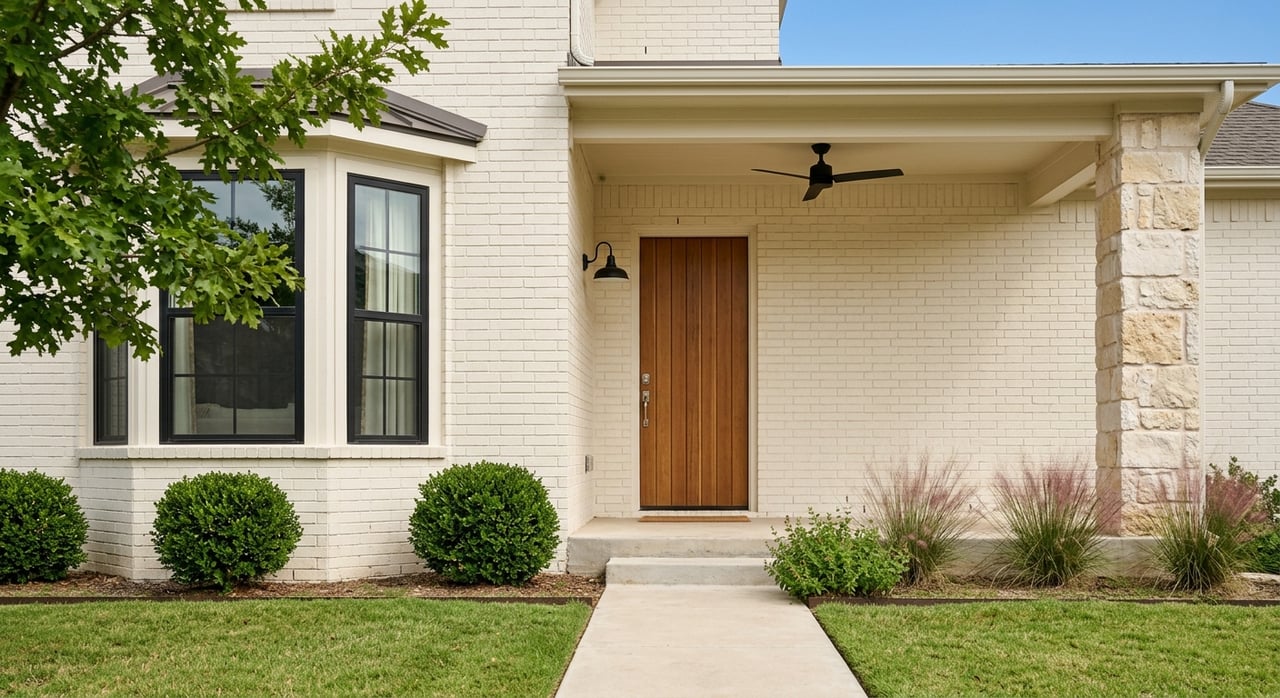
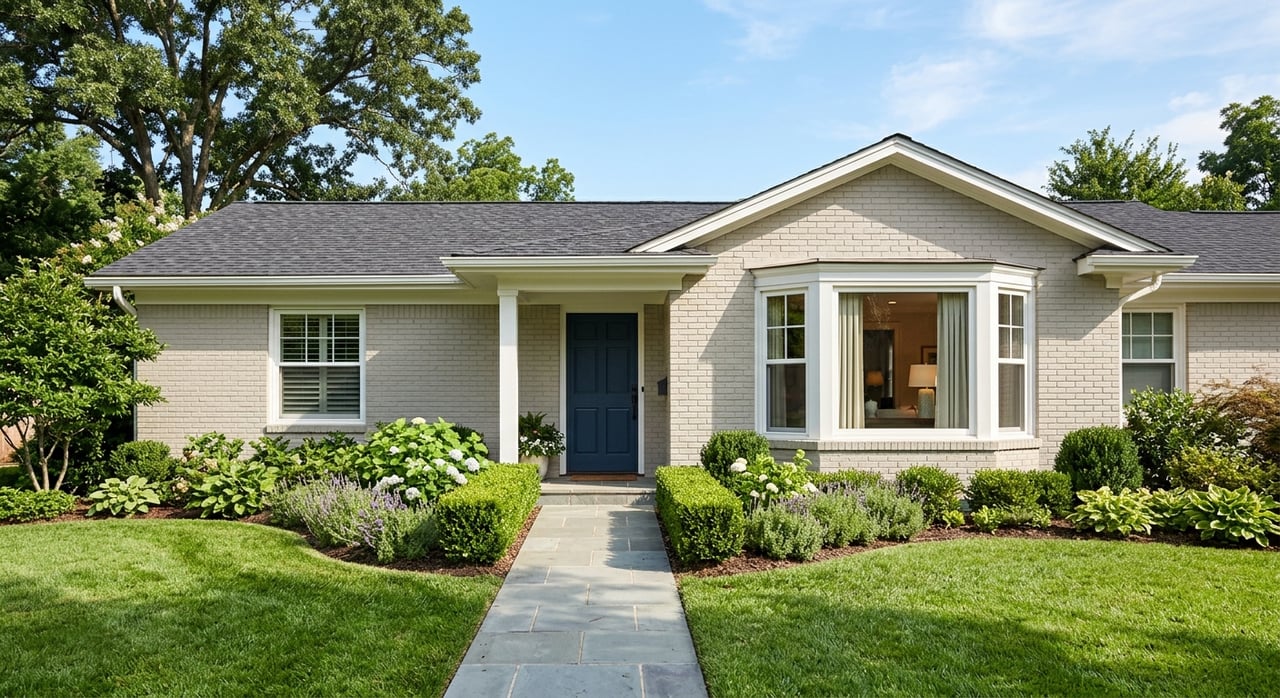
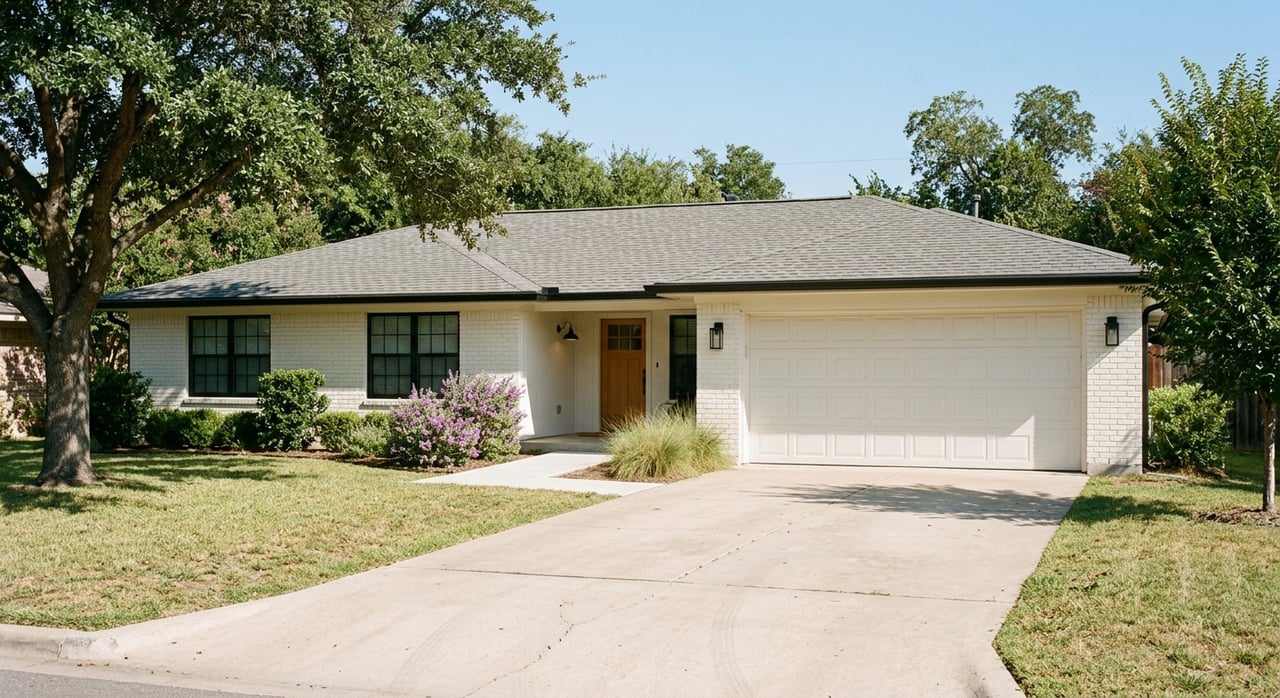
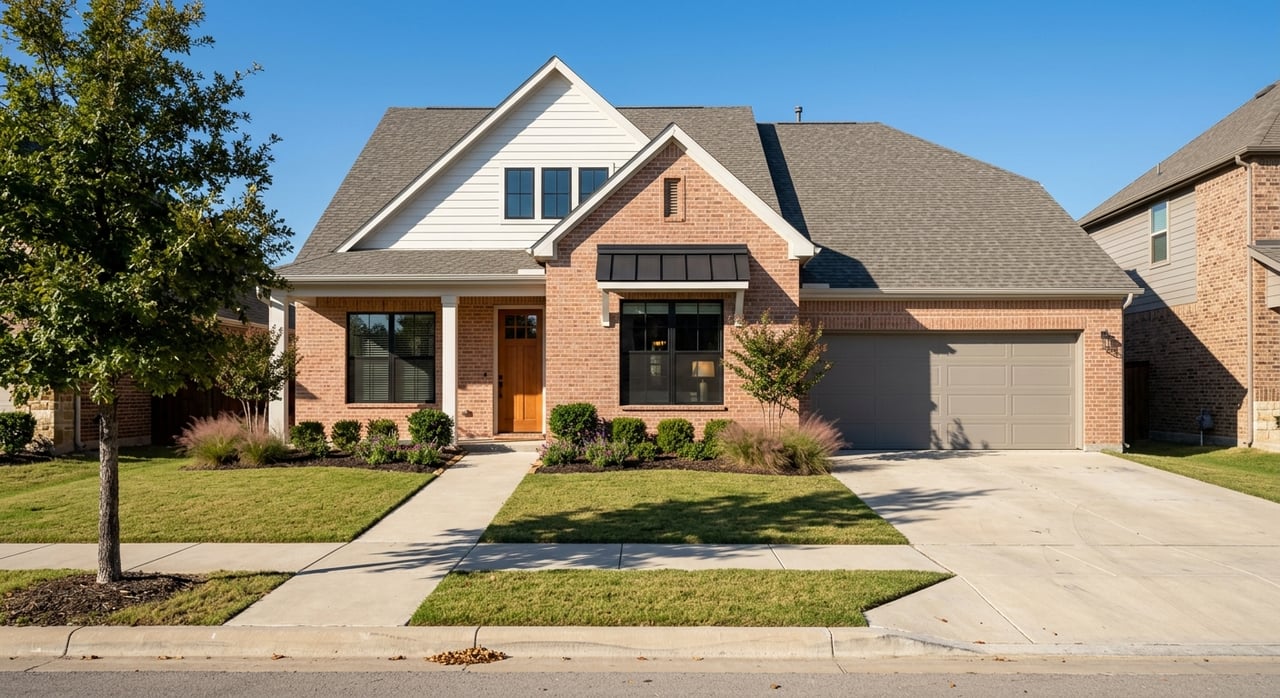
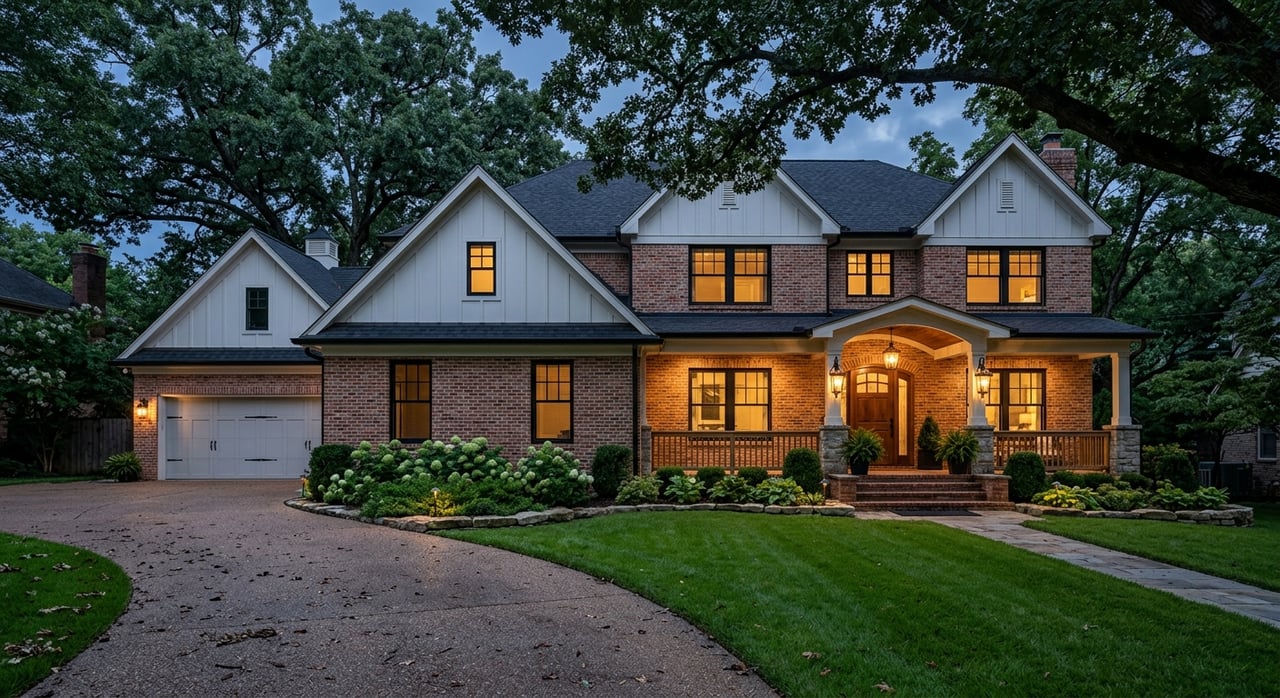
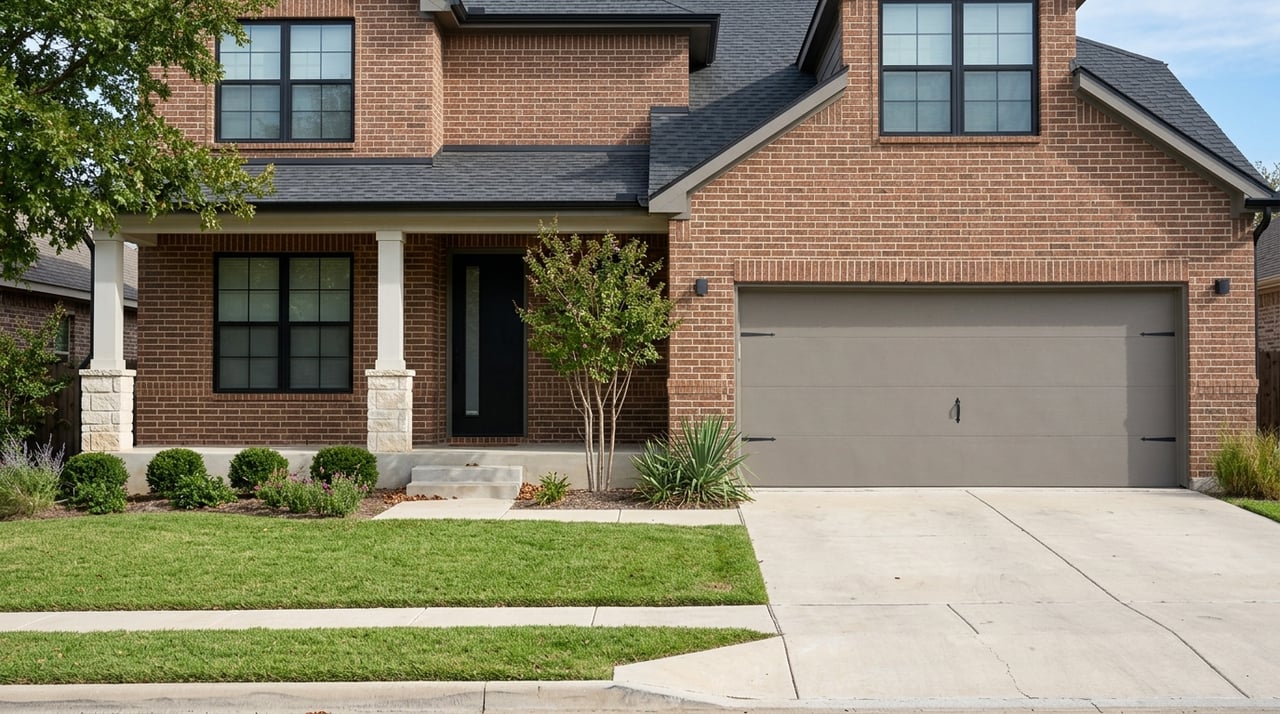
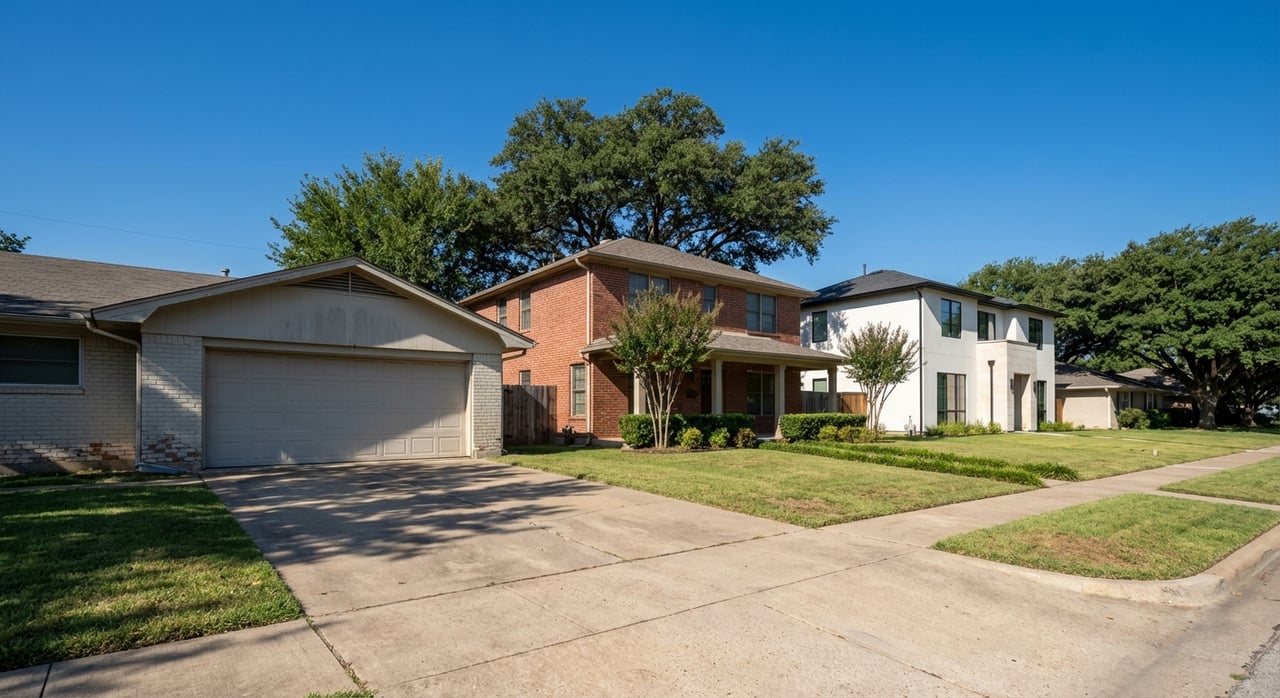
With infill homes especially, lot size is not just a number on a listing. What matters is how much of the lot is actually usable once setbacks, driveway placement, garage access, and open-space rules are taken into account. Two homes with similar square footage can live very differently if one has a tighter footprint or less functional yard space.
Dallas zoning shows how dramatic those differences can be. For example, Dallas R16(A) zoning has a 16,000-square-foot minimum lot area, a 35-foot front yard setback, 10-foot side yard setbacks, a 10-foot rear yard setback, and a 40% maximum lot coverage. In Plano, zoning categories range from attached homes with smaller minimum lot sizes to larger single-family districts, which means the same bedroom count can sit on very different lot configurations.
Compare Usable Space, Not Just Square Footage
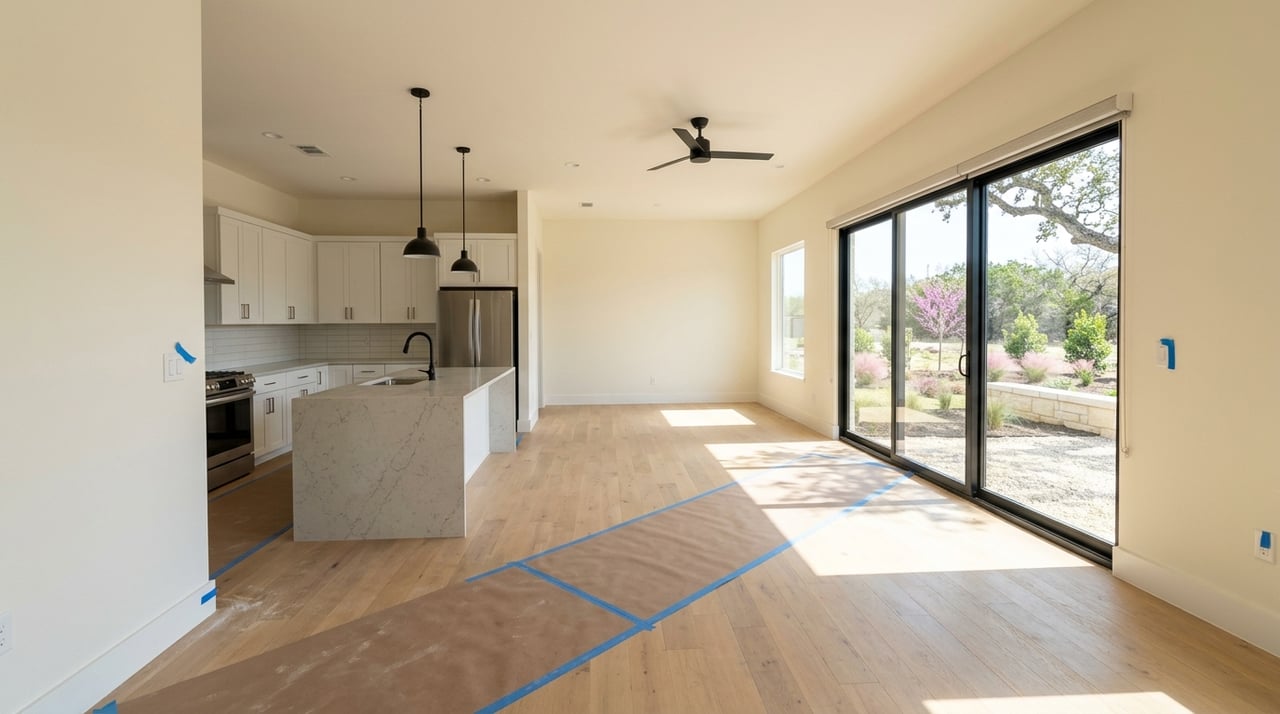
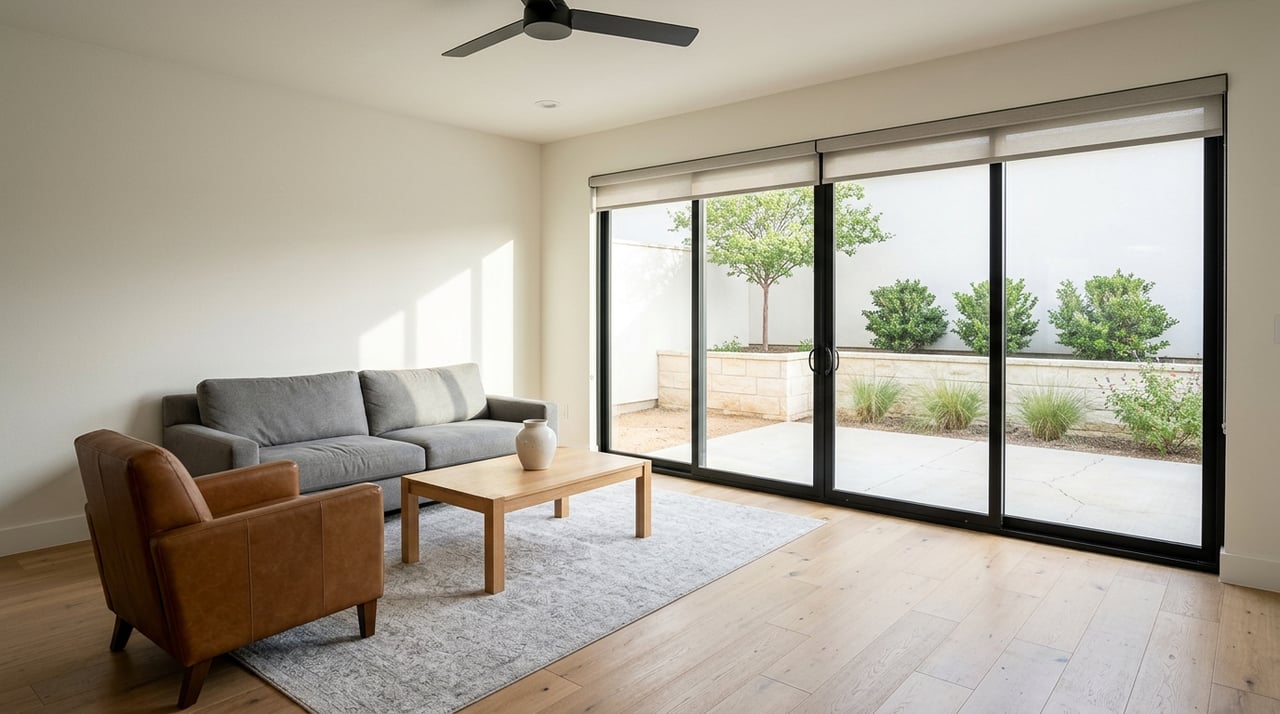
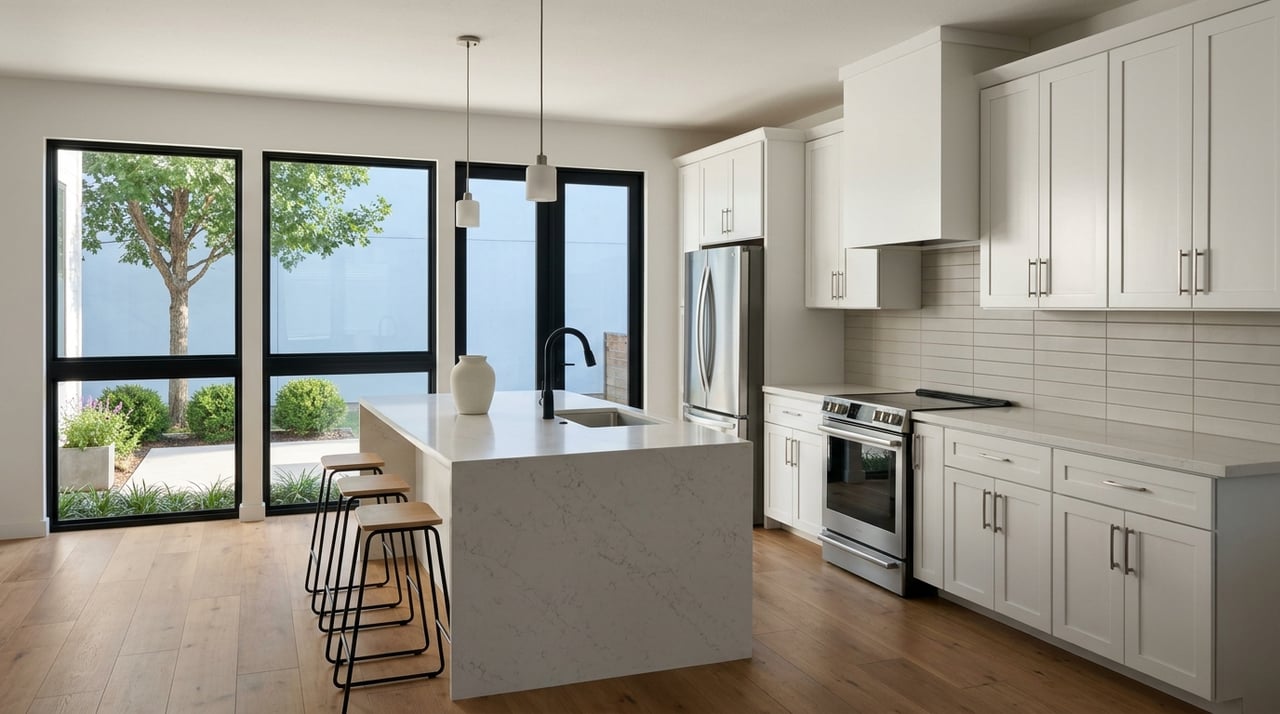
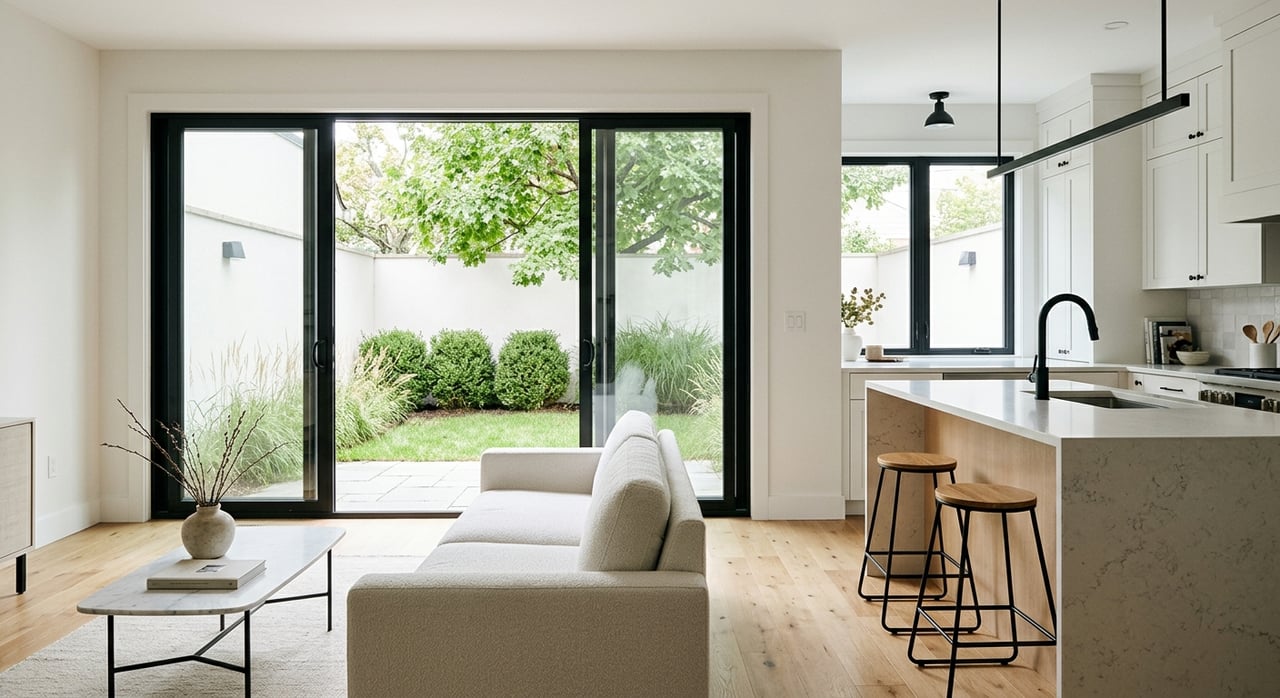
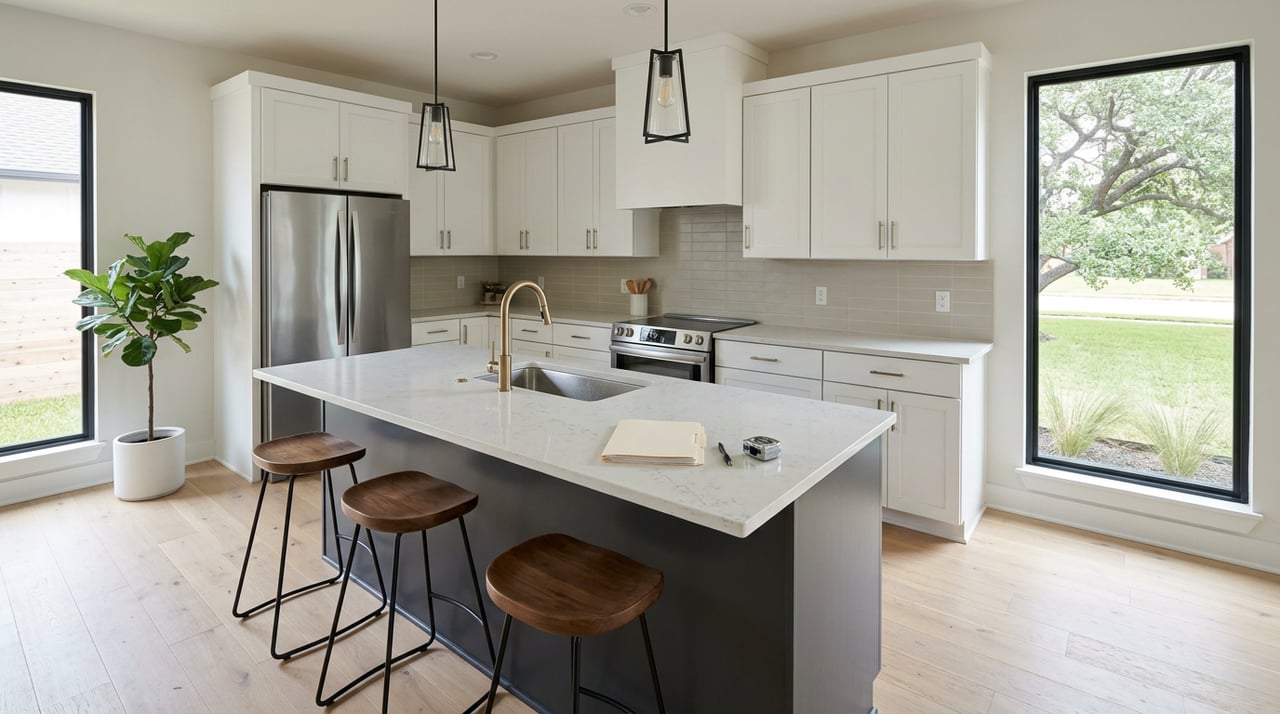
When you tour a new-construction or infill home, try to think past the interior finishes. A sleek kitchen may catch your attention first, but the lot layout will affect your daily life long after closing. That is why an education-first buying process should include the site as much as the structure.
Look closely at:
- Yard space you can actually use
- Distance between the home and neighboring structures
- Driveway shape and ease of parking
- Garage placement and access
- Outdoor space behind and beside the home
- How the house sits on the lot overall
These details can shape privacy, storage, entertaining space, and even resale appeal. In a market like Dallas County, that makes lot geometry a practical buying issue, not a minor detail.
Watch for Historic and Conservation Rules
Some older Dallas neighborhoods come with added review requirements. In designated landmark districts or landmark sites, a Certificate of Appropriateness is required before a building permit can be issued. Dallas conservation district ordinances can also establish minimum development and architectural standards.
For you as a buyer, that means an infill property may be affected by more than standard zoning alone. The design, footprint, exterior changes, and even future updates could be shaped by overlay rules. If you are buying in an older area, it is wise to confirm whether any historic or conservation standards apply before you fall in love with the home.
Trees and Landscaping Can Affect the Build
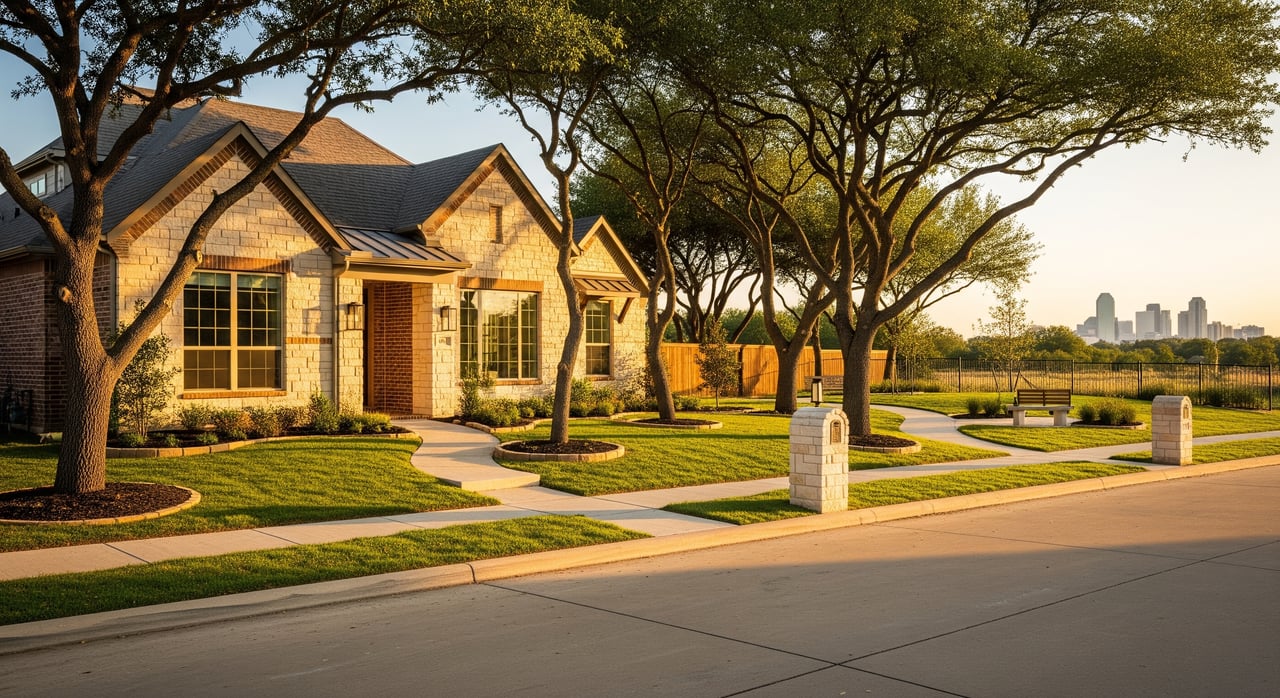
In Dallas, landscape and tree conservation rules can materially affect an infill project. Mature trees, required replacements, and site-clearing limitations may influence the final footprint of the home. That can change how much yard remains, where additions could go, or how the lot functions overall.
This is one reason some homes feel tighter on site than photos suggest. A lot may look generous on paper, but tree preservation or required landscaping can reduce flexibility. When you are evaluating an infill home, ask how the site was shaped by these requirements.
Permits Matter More Than Buyers Realize
A new home is not truly just about the finished product. It is also about whether the city approvals and required documents were properly handled along the way. In Dallas, a residential permit is the city’s official approval to begin construction, and the city provides a checklist for new construction along with required forms.
Dallas lists items such as an energy compliance certificate and termite protection form among its residential permit documents. For new one- and two-family homes, the city requires a residential energy compliance path form signed by a registered third-party energy provider. Dallas also states that energy and green inspection signoff must be completed before final building inspection approval.
Energy Compliance Is Part of the Value
Dallas notes that it was one of the first major cities in the nation to adopt comprehensive green building standards for new residential and commercial construction. For buyers, that means energy compliance is not just a paperwork detail. It can affect long-term operating costs, comfort, and final approval.
When you evaluate a new-construction home, ask which energy documents are complete and whether final inspections have been closed out. This can help you avoid delays and give you a clearer picture of how the home was built and approved. It is a simple question that can tell you a lot.
Infrastructure Can Make or Break an Infill Home
With infill homes, the house itself is only part of the purchase decision. Public infrastructure can be just as important. Plano’s land development resources, for example, include record drawings for water, sanitary sewer, drainage, and paving infrastructure, while Irving’s codes address building codes, zoning, and development standards, and the city requires permits for a wide range of construction activity.
That means you should look carefully at the systems around the property, not just inside it. A beautiful home on a challenging site can create headaches later if drainage, utilities, curbs, sidewalks, or easements are not understood upfront.
Check These Site Details Early
Before moving forward, make sure you have a handle on:
- Drainage patterns on and around the lot
- Water and sewer infrastructure
- Sidewalk and curb condition
- Easements that may limit use of the property
- Access for parking and deliveries
- Site conditions that could affect future projects
These factors are easy to overlook during an exciting home search. Still, they can influence maintenance, use, and long-term resale in a big way.
Floodplain Review Should Be Non-Negotiable
Floodplain review is especially important in Dallas County. Dallas states that properties in the 1% annual chance floodplain may need fill or floodplain alteration permits, and new structures require review before permitting. That means floodplain status can affect both the original build process and your future plans for the property.
Even if a home is new, do not assume flood risk questions have already been fully considered from your perspective as a buyer. You should confirm whether the property has floodplain exposure and whether any related review affected the build. This is one of those items that is much easier to check before closing than after.
Builder Reputation Still Counts
A polished model home does not replace builder vetting. The strongest buying decisions usually combine site review with careful evaluation of the builder or contractor behind the project. That is particularly important with infill homes, where project complexity can be higher because of lot constraints, neighborhood standards, or site conditions.
The FTC recommends that consumers look for competent and reliable contractors, ask for proof of licensing and insurance where applicable, seek recommendations, check with consumer-protection officials and the local Home Builders Association for complaints, and read reviews critically. In plain terms, you want more than good marketing. You want signs of consistent follow-through.
Understand the Warranty Before Closing
New homes often come with warranty coverage, but not all protections are the same. The FTC distinguishes between a builder warranty and a service contract, and that difference matters when you are comparing what is actually covered. A buyer who assumes everything is protected can end up frustrated later.
Before closing, ask for clear explanations of:
- What the builder warranty covers
- How long each type of coverage lasts
- What is excluded from coverage
- Whether any third-party service contract is separate from the builder warranty
- How warranty claims are submitted and tracked
This is not about being skeptical. It is about understanding exactly what you are buying.
Inspections Still Matter on New Homes
A home being brand new does not mean you should skip your due diligence. HUD and CFPB both recommend getting a home inspection and using closing checklists so buyers do not rush through final paperwork. That advice is especially useful in new construction, where buyers may feel pressure to stay on the builder’s timeline.
An inspection and a disciplined final review can help you slow down and verify details before you sign. If something needs correction, it is usually better to catch it before closing rather than after move-in. A calm, organized process can save you time and stress.
Budget for Taxes Conservatively
Your monthly payment estimate is only part of the ownership picture. Dallas County buyers should also plan carefully for property taxes after closing. DCAD appraises property for ad valorem tax assessment, does not set tax rates, and notes that homestead exemption applications are free for owners who own and occupy the home.
Because local taxes depend on both appraisal value and taxing-entity rates, it is smart to budget conservatively. This is especially important for new-construction buyers, since tax expectations can feel less predictable during the first year of ownership. A little planning here can help you avoid payment shock later.
A Smarter Dallas County Buying Strategy
The biggest takeaway is simple: new-construction and infill homes in Dallas County are site-specific purchases. Modern design matters, but so do zoning, setbacks, floodplain review, infrastructure, permit history, and builder credibility. When you check those items early, you put yourself in a better position to balance location, design, budget, and resale potential.
If you want a step-by-step, data-informed approach to buying a new-construction or infill home in Dallas County, Clinton Asalu offers the kind of responsive, education-first guidance that can help you move forward with clarity.
FAQs
What should you check before buying new construction in Dallas County?
- You should review the lot layout, zoning or city development rules, permit status, energy-compliance documents, infrastructure conditions, floodplain status, builder reputation, warranty terms, inspection plans, and likely property tax costs.
Why do lot size and setbacks matter for Dallas County infill homes?
- Lot size and setback rules affect how much usable yard space you actually get, where the home sits on the property, how parking works, and how functional the outdoor space feels.
How do local city rules affect a Dallas County home purchase?
- Dallas, Plano, and Irving each use their own zoning, permitting, and development systems, so the city where the home is located can shape what was allowed during construction and what may affect the property in the future.
What permit documents matter for a new Dallas home?
- In Dallas, buyers should pay attention to residential permit approvals, new-construction checklist items, energy compliance documents, termite protection forms, and whether final inspections and green signoffs have been completed.
Why should you review floodplain status for a Dallas County property?
- Floodplain status can affect permitting, future site work, and risk exposure, and Dallas states that properties in the 1% annual chance floodplain may require additional review or permits.
What should you know about property taxes after buying in Dallas County?
- DCAD handles appraisal for ad valorem tax assessment, tax rates are set by taxing entities, and homestead exemption applications are free for owners who own and occupy the home, so it is wise to budget conservatively and plan ahead after closing.